Morley-IAS Plus – Enhancing Early Fire Detection to Reduce Smoke Inhalation Risk
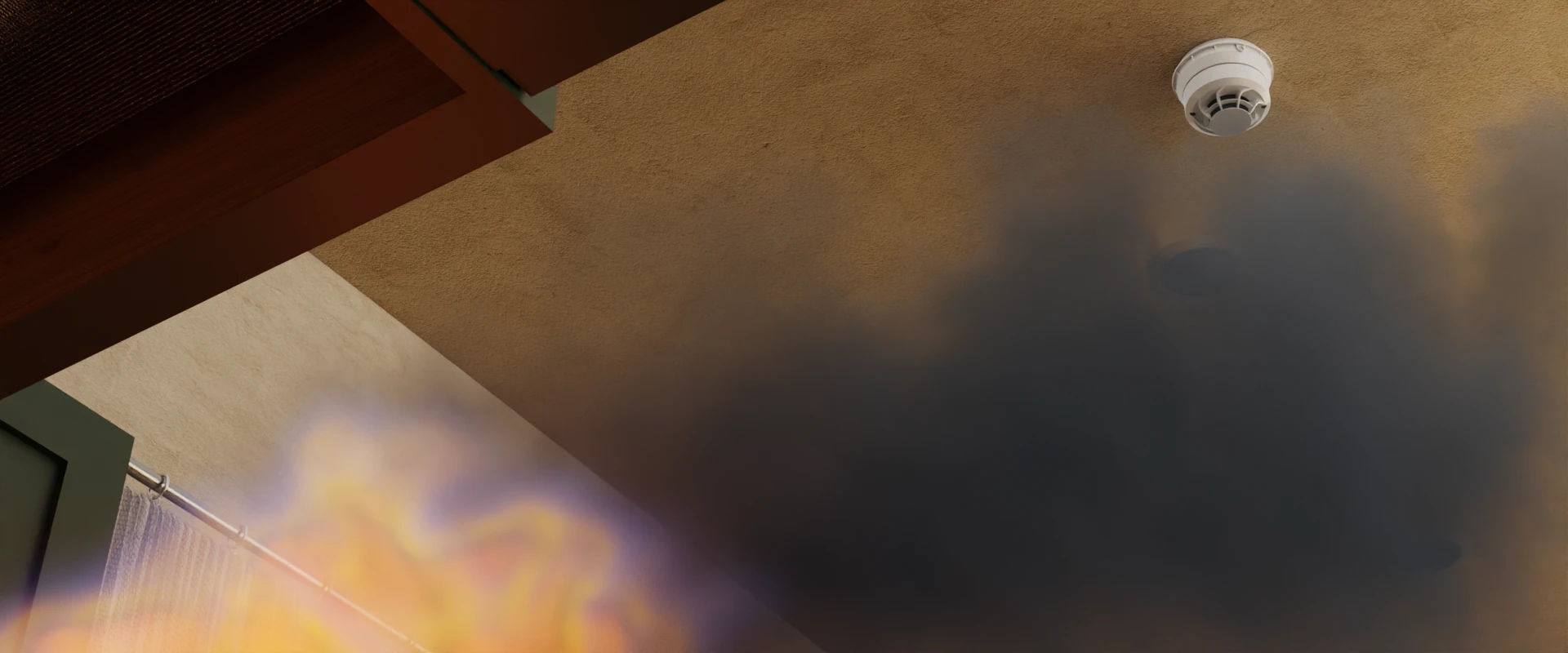
Smoke inhalation is one of the leading causes of fire-related deaths. Even small fires can produce toxic gases such as carbon monoxide and hydrogen cyanide that impair breathing and reduce oxygen supply. Dense smoke also causes disorientation, making escape more difficult. Early detection is vital because it provides time to evacuate before dangerous concentrations build. […]
VESDA-E VEP for Restaurants
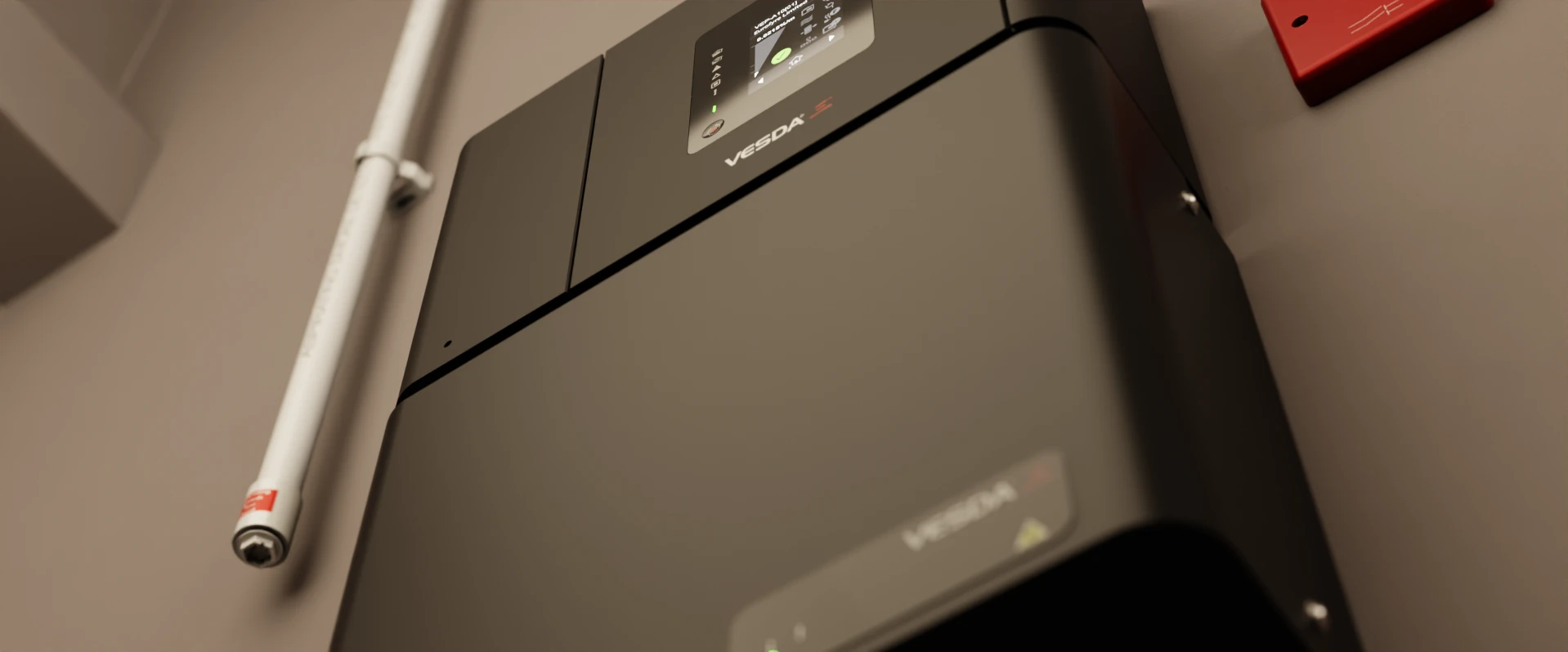
Restaurants are dynamic public spaces where atmosphere, aesthetics, and safety are all paramount. The ambiance, service, and interior design are often as important as the food itself. Many restaurants, particularly those aiming for a grand or spacious feel, are located in buildings with high ceilings. Examples of these include converted churches, former banking halls, industrial […]

Eurofyre’s 2024 Christmas Greetings
As the year draws to a close, we take this opportunity to reflect on 2024’s achievements and look ahead with optimism to what 2025 has in store for Eurofyre and the fire detection industry. This past year brought remarkable advancements and opportunities, with innovation driving the fire detection market to new heights. At Eurofyre, we […]

Bigger Warehouses, Bigger Risks…Better Smoke Detection
Whether driven by the rise in online shopping or simply by the cost-savings available from modern centralised distribution models, warehouses are springing up in key transport hubs and they are getting bigger and bigger. Several have already fallen victim to high profile fires, which have destroyed large quantities of stock and had an impact on […]

Automatic Purging Unit for ASD Systems Covering Harsh Environments
When it comes to fire protection, we consider a harsh environment to be any application where extremes in environmental factors or circumstances unique to the protected area pose challenges to the effective detection of fire. In industrial applications in particular, conditions can vary widely, so understanding the characteristics of the environment and the limitations of […]