Prisons hold people who are on remand or serving custodial sentences. Their main purposes are public protection, secure containment, rehabilitation and maintaining order and safety for staff and prisoners.
In England and Wales, the prison estate includes a mix of public and privately managed facilities. Each prison operates under strict legal and operational frameworks, with high expectations around safety, security and incident response. Fire safety and life safety systems play a critical role because prisons are high-risk environments with restricted movement, complex layouts and occupants who cannot self evacuate freely.
Prisons are categorised by security level. This determines the type of prisoners held and the controls required within the facility.
- Category A
- These hold prisoners whose escape would pose a serious threat to the public or national security. Security measures are extensive, with tight control of movement, frequent locking and unlocking, and high staff supervision.
- Category B
- These hold prisoners who do not require the highest level of security but for whom escape must still be made very difficult. Security remains robust, with controlled access and strong perimeter protection.
- Category C
- These hold prisoners who cannot be trusted in open conditions but are unlikely to make a determined escape attempt. Internal movement is more flexible, though still supervised.
- Category D or open prisons
- These hold prisoners who can be reasonably trusted not to escape. They typically have minimal physical security and focus more on rehabilitation and resettlement.
Each security level places different demands on fire detection, alarm zoning, system resilience and response procedures. An effective fire alarm system solution must account for these differences while maintaining consistent life safety standards across the estate.
Risks
Prisons present some unique risks of fire, some of which include:
- Deliberate fire setting
- Fires are often started intentionally using bedding, clothing or paper. These fires can develop rapidly and may be used to cause disruption or force staff response.
- Smoking and contraband ignition sources
- Despite controls, smoking materials and lighters still enter custodial areas. These increase the likelihood of small but frequent ignition events, particularly in cells.
- Electrical faults
- Ageing infrastructure, damaged fittings and unauthorised electrical items can lead to overheating or short circuits, especially in cells and workshops.
- Restricted evacuation
- Prisoners cannot self evacuate. Staff must unlock doors and manage movement in a controlled way, which increases risk if detection or alarm activation is delayed.
- Complex building layouts
- Prisons often include long corridors, multiple wings and enclosed spaces. Fire and smoke can spread unnoticed if detection coverage is slow or incomplete.
Challenges
Designing fire detection for prisons is complex. It is important to balance early detection, false alarm reduction and security requirements, all within a highly controlled environment.
- High false alarm risk
- Dust, steam, aerosols and deliberate misuse can trigger conventional detectors. Frequent false alarms disrupt operations and reduce confidence in the system.
- Deliberate damage and tampering
- Detectors are at risk of being blocked, covered or damaged by prisoners. Equipment must be robust and difficult to interfere with.
- Cell based detection requirements
- Cells are small enclosed spaces where fires often start. Detection must work reliably in confined areas without reacting to everyday activities.
- Zoned response and control
- Staff need precise information about fire location. Overly broad zones slow response and increase risk during controlled unlocking and evacuation.
- Integration with security systems
- Fire detection must work alongside door control, locking systems and staff alerts. Poor integration can delay response or create security conflicts.
Securiton Aspirating Smoke Detection
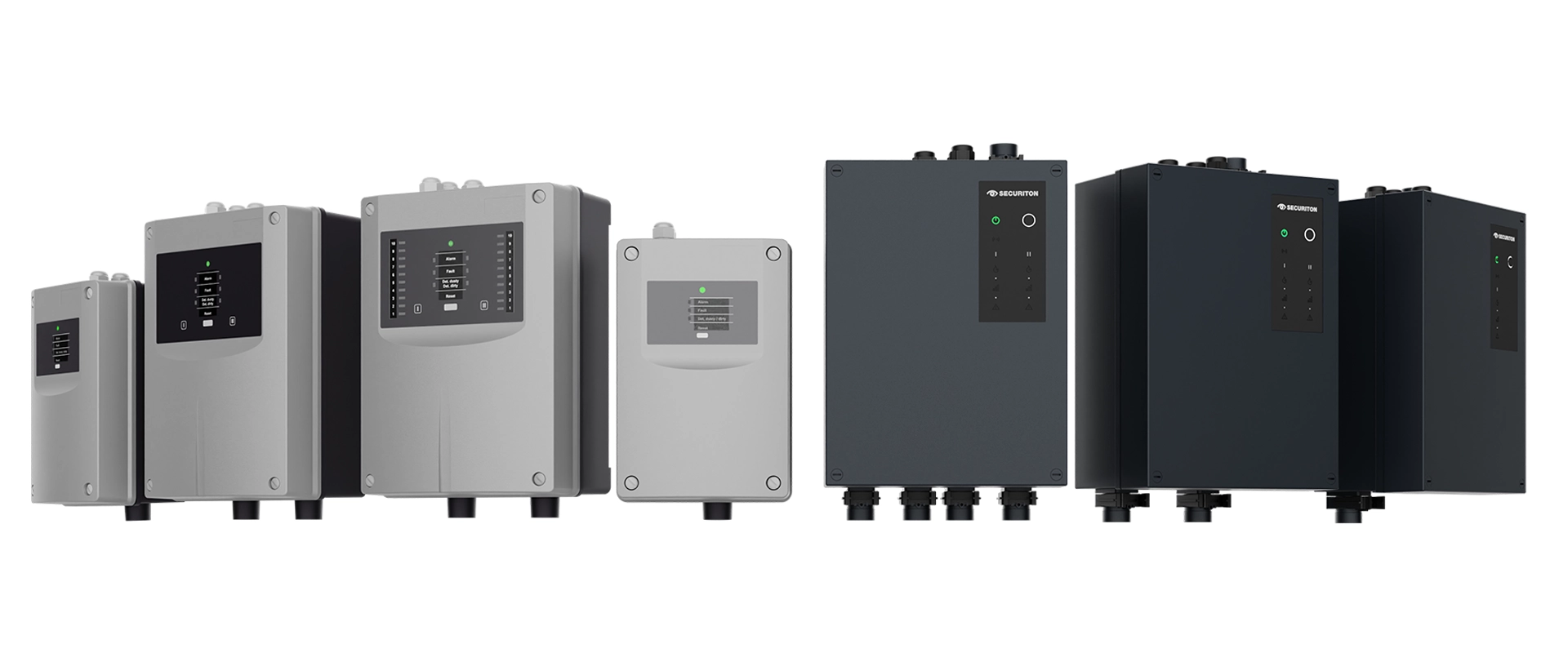
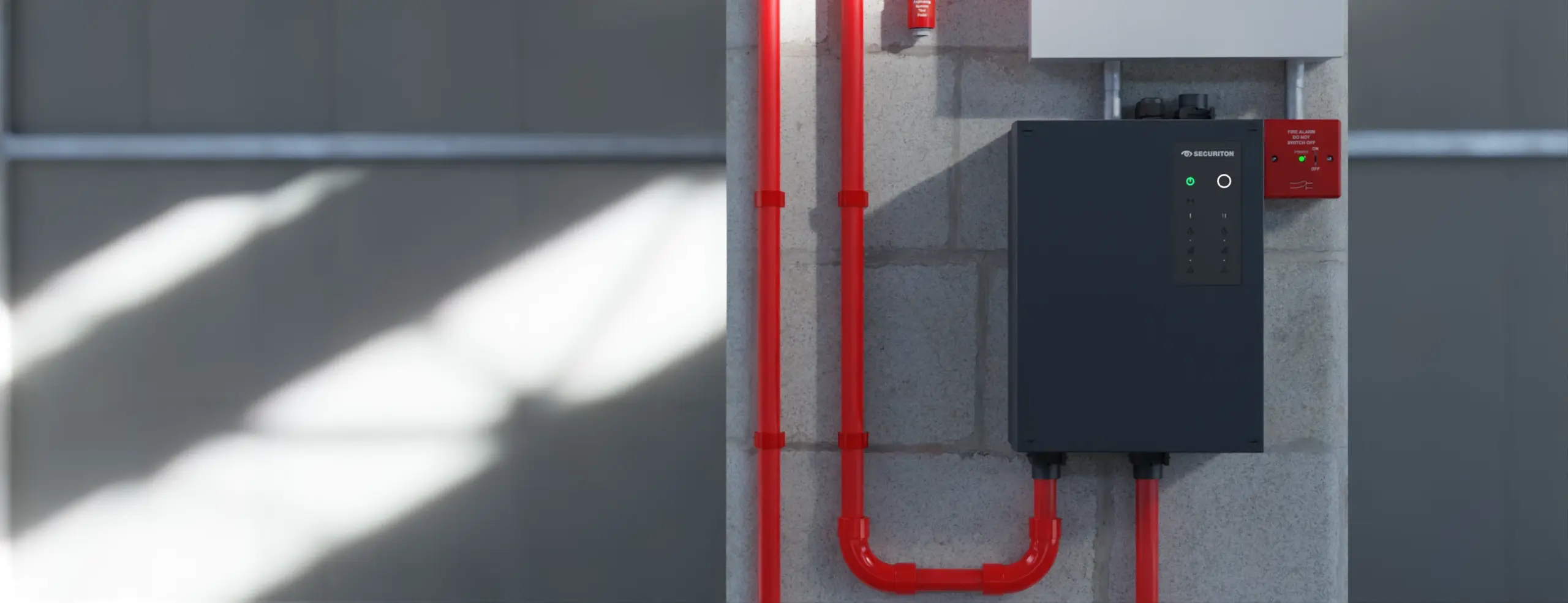
The Securiton ASD (aspirating smoke detection) range uses active air sampling to detect very small amounts of smoke before a visible fire develops. Air is drawn through a network of sampling pipes to a central detector with highly sensitive optical sensors. This provides early warning, reduces response times and allows graded alarm levels.
Securiton ASD units are designed for challenging environments with dust, drafts and heat variations, and include robust filters and adaptive algorithms to reduce false alarms. The range supports multiple detectors on a single network, flexible zoning and integration with building management systems, making it suitable for secure custodial settings.
Securiton ASD 533
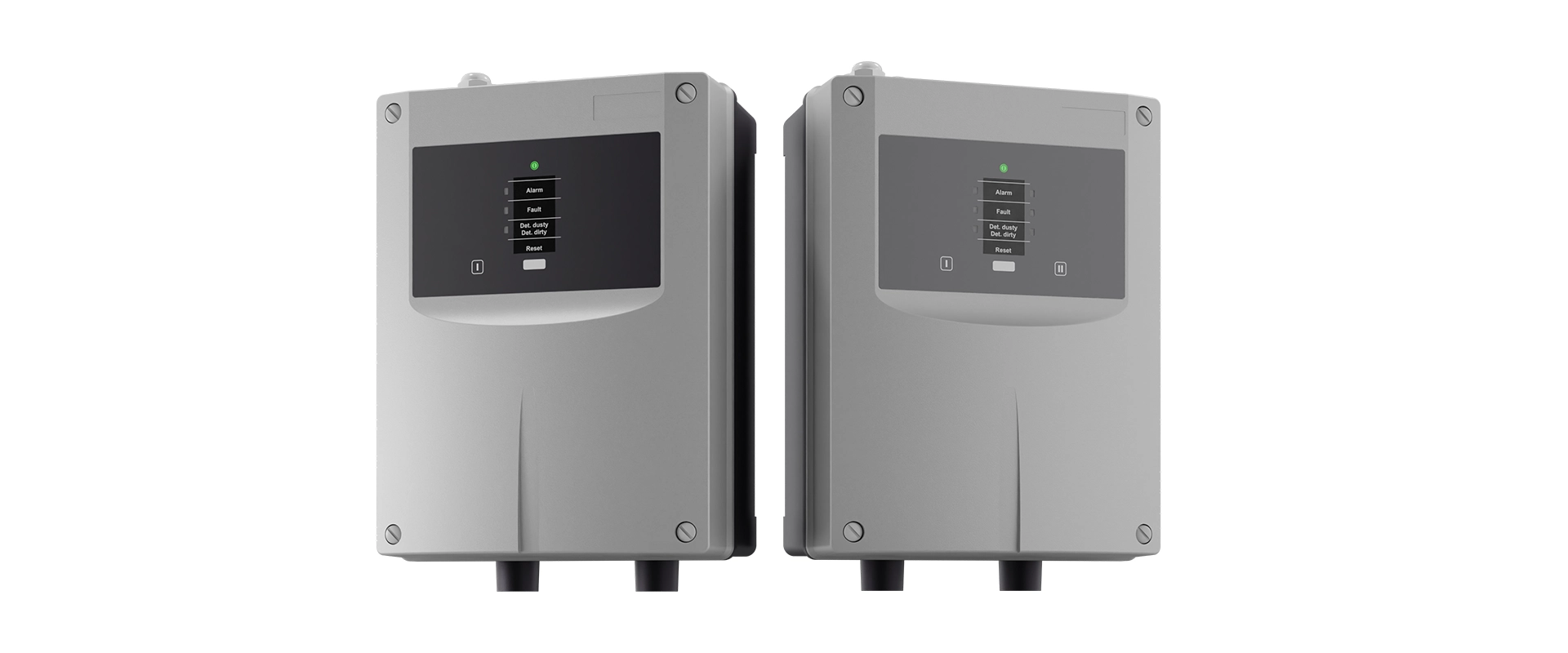
The ASD 533 is a highly sensitive aspirating smoke detector suited to medium-sized areas. It draws air through pipe networks to a central sensing chamber with optical smoke measurement. You can set multiple alarm thresholds, and it delivers early warning before visible smoke appears. The unit includes filtering to reduce dust and particle interference, which helps prevent false alarms. Its compact design and flexible configuration make it suitable for cells, corridors and shared spaces within custodial facilities.
Securiton ASD 535
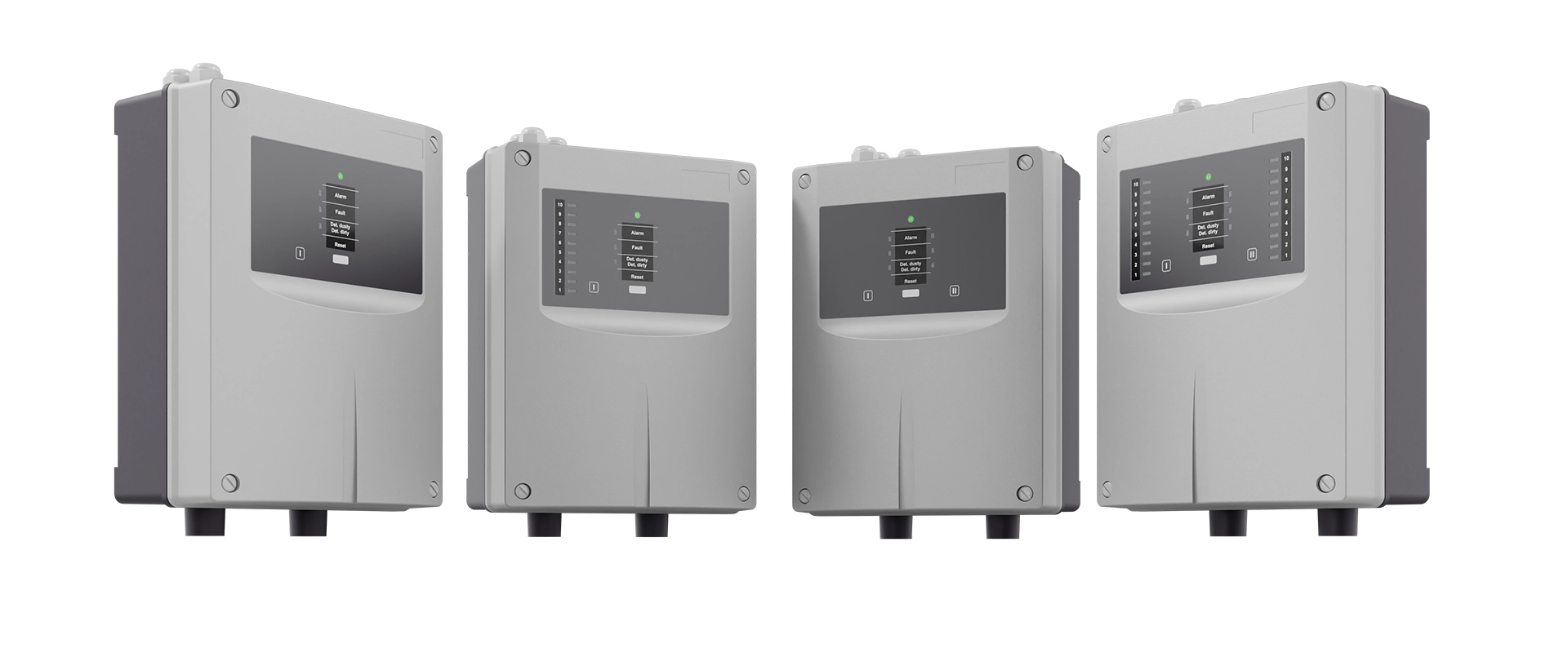
The ASD 535 offers all the core features of the ASD 533, including active air sampling, high sensitivity optical smoke detection, multiple alarm levels and built-in filtering to reduce false alarms. In addition, it supports longer pipe runs, more sampling points and greater zoning flexibility. This makes it suitable for larger wings, multi-cell areas and complex layouts where extended coverage and precise fire location are required.
Approvals





Design Considerations
Control Panel Placement
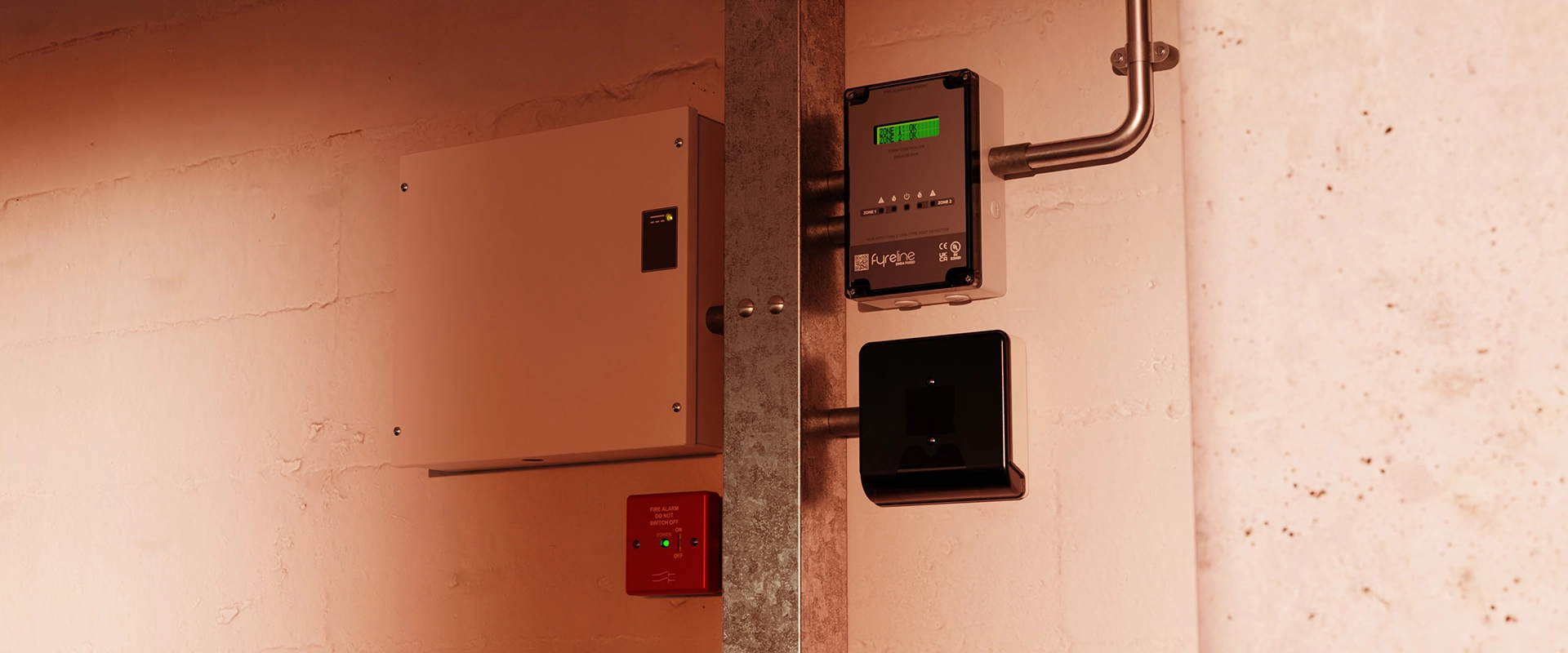
Control panels should be located in secure staff-only areas, close to control rooms or gate offices, ensuring rapid access, clear visibility and protection from unauthorised interference.


Pipe & Fittings Placement
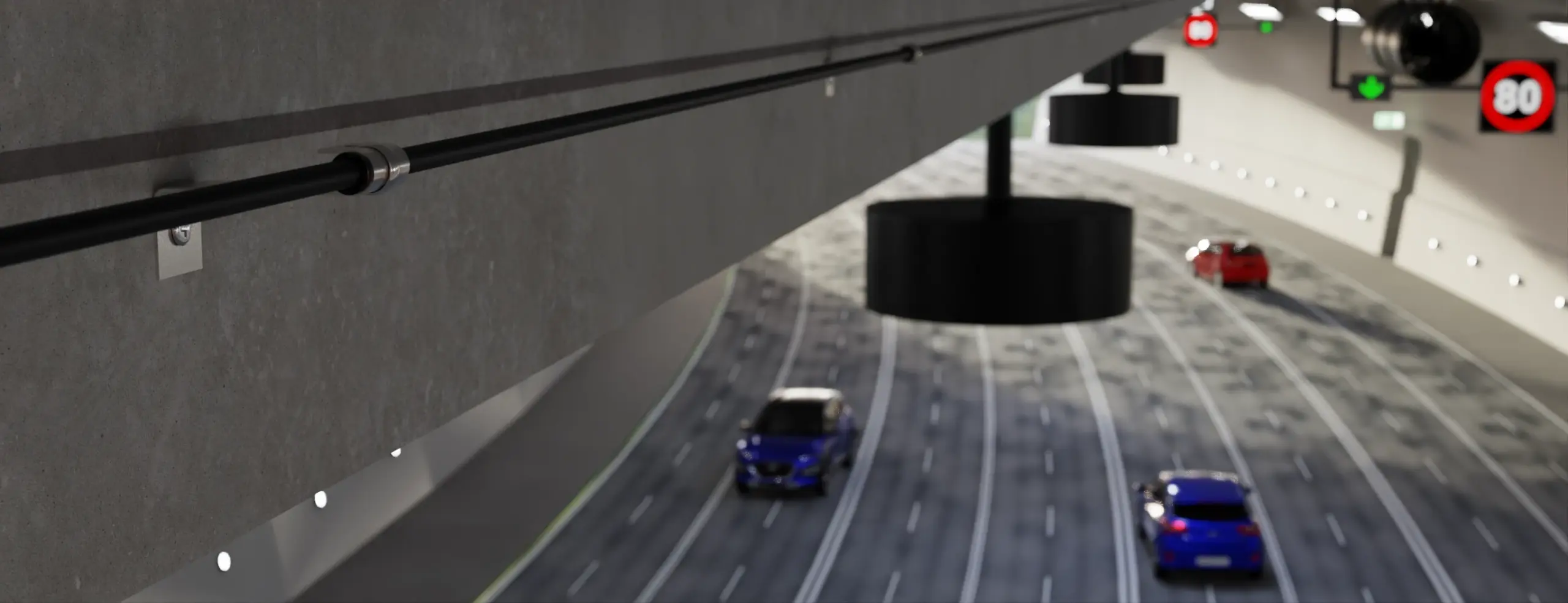
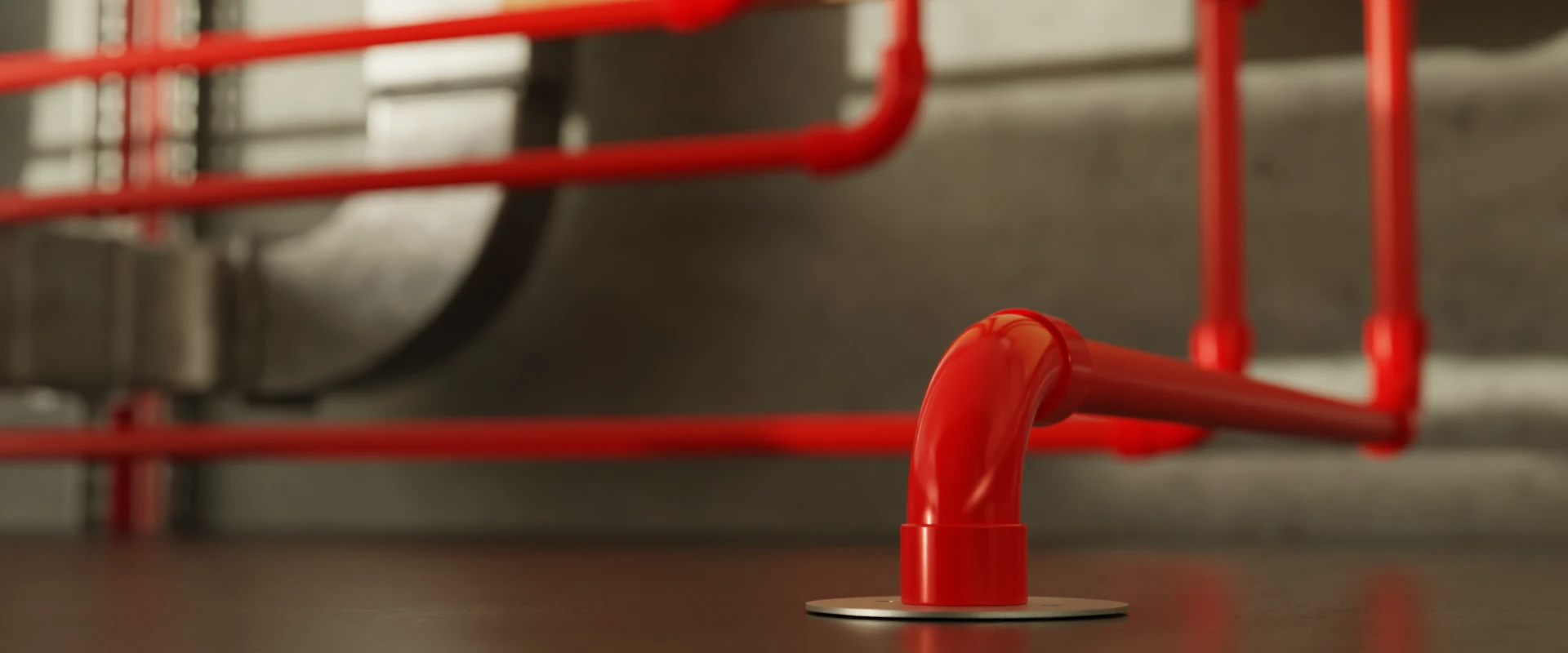
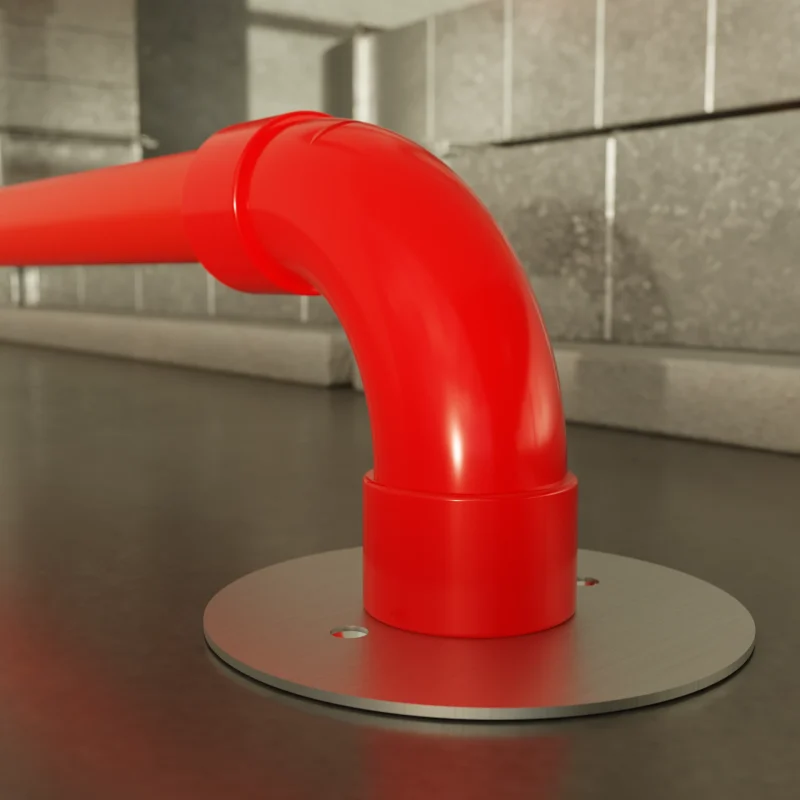
Pipework and fittings should be concealed or protected, routed through secure voids or trunking, with sampling points positioned to prevent tampering while maintaining effective smoke capture.

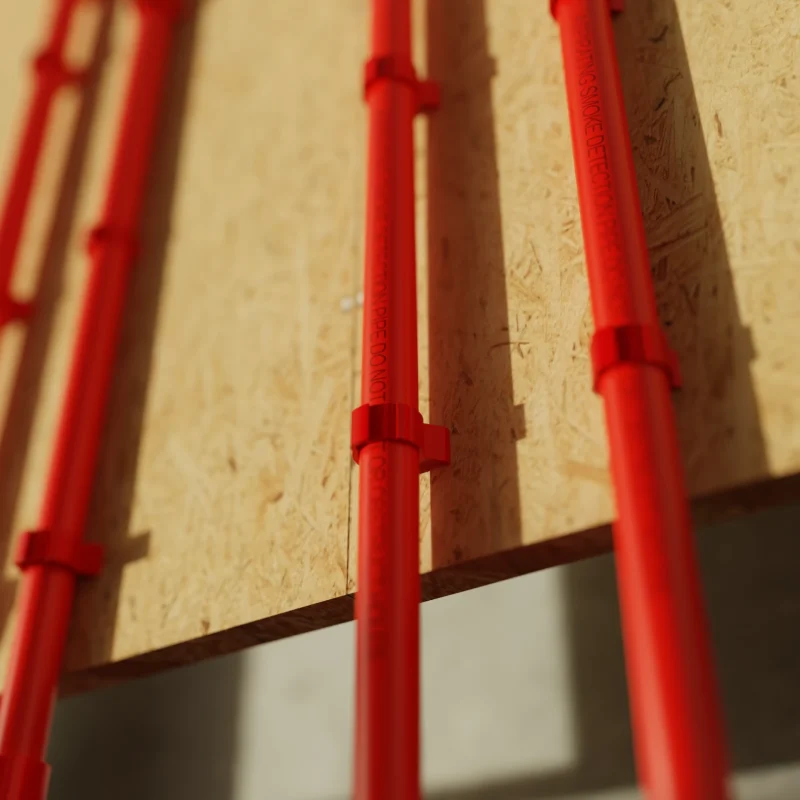
Sampling Points Placement
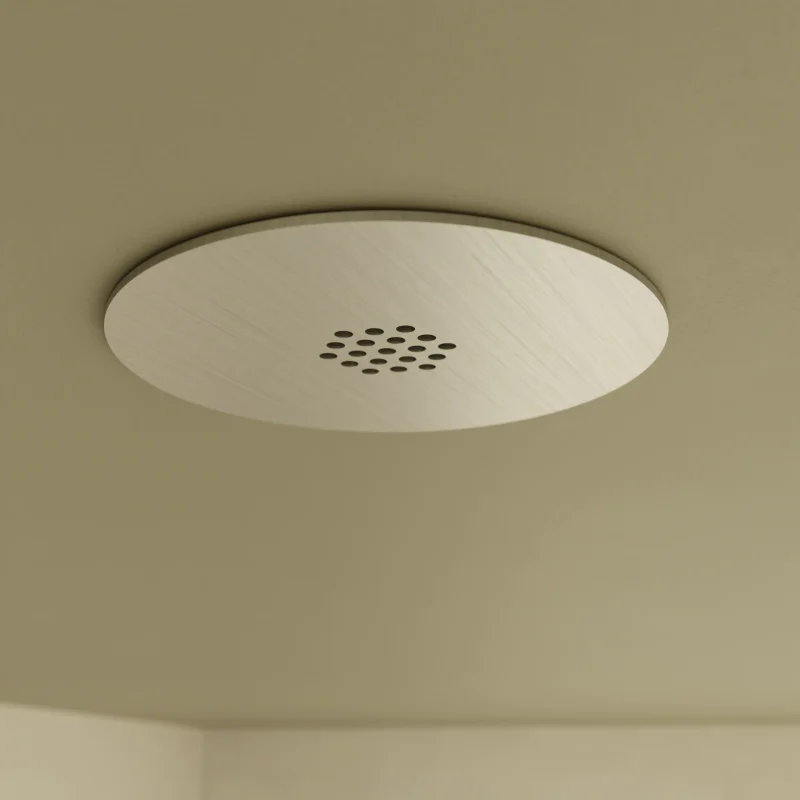
Sampling points should be positioned to detect smoke at the earliest stage, particularly within cells where fires most commonly start. They should be located out of reach to reduce tampering, evenly distributed for consistent coverage, and arranged to provide clear, zone specific fire identification for staff response.

Why Choose Eurofyre?
- Securiton Partner
- As a trusted Securiton partner, Eurofyre delivers comprehensive expertise in fire detection tailored to your specific region or industry. Our services include specialized implementation assistance and advanced technical support for the full Securiton portfolio, including SecuriSmoke ASD 2000, SecuriBeam ILIA, SecuriHeat d-LIST, and SecuriHeat ADW 535. Furthermore, our partnership ensures you receive the most competitive pricing alongside industry-leading knowledge and training.
- Complete System Supplier
- Eurofyre serves as a comprehensive provider for all fire detection requirements. As a recognized Securiton partner, we deliver specialist consultation and technical expertise across the entire spectrum of aspirating smoke detection.
- Pipework Design
- Beyond equipment supply, Eurofyre supports your projects with precision pipe network design to ensure maximum system effectiveness and seamless installation.
- Demonstration and Training
- We offer expert training and live system demonstrations at our dedicated facility, ensuring your team is fully equipped to design, install, and maintain the full range of Securiton aspirating smoke detectors.
- After-Sales Support
- Eurofyre is committed to providing industry-leading after-sales care and support. We offer both on-site and remote technical assistance to ensure your system remains fully operational and maintains peak performance throughout its lifecycle.
For more information about Aspirating Smoke Detection, or to discuss any of the other products that Eurofyre have to offer, please feel free to get in touch either by phone on +44 (0) 1329 835 024, by email to sales@eurofyre.co.uk or via the online enquiry form situated on our contact page.