Mining plays a major role in supplying raw materials used in construction, manufacturing and energy production. Mines extract minerals, metals and other resources from underground tunnels or open pit sites. After extraction, materials often move through processing plants where crushing, screening and transportation systems prepare them for further use.
Mining operations rely on heavy machinery, conveyor systems, electrical equipment and large-scale material handling processes. These environments often operate continuously and involve extensive infrastructure both underground and at surface level.
Fire protection is essential in mining facilities because fires can spread quickly through equipment, conveyor belts or enclosed spaces. A fire can damage critical infrastructure, interrupt production and place workers at significant risk. Reliable detection systems allow operators to identify overheating equipment or developing fires early so they can respond before conditions escalate.
Risks
Like most industrial facilities, mines come with some unique fire risks. Some of these include:
- Conveyor belt systems
- Conveyor belts transport large volumes of material across mining sites. Friction, misalignment or mechanical faults can cause overheating that may ignite belt materials or accumulated dust.
- Heavy machinery
- Mining equipment such as crushers, loaders and drilling machines generate significant heat and may present ignition risks if faults occur.
- Electrical infrastructure
- Large motors, transformers and control systems increase electrical load and may overheat or fail under demanding operating conditions.
- Combustible materials
- Dust, grease, oils and packaging materials can accumulate in equipment areas and contribute fuel to a developing fire.
- Underground environments
- Confined spaces and limited ventilation in underground mines can allow heat and fire to spread rapidly if ignition occurs.
Challenges
Mines also come with some unique challenges when it comes to deploying an effective and reliable fire detection solution. These challenges include:
- Harsh operating conditions
- Mining environments expose equipment to dust, vibration, moisture and extreme temperatures, which can affect conventional detection devices.
- Conveyor systems and processing plants often extend across large distances, requiring detection systems that can protect long runs of equipment.
- Limited accessibility
- Some equipment areas are difficult to access for maintenance or inspection, particularly in underground operations.
- Early overheating detection
- Equipment faults may first produce heat rather than smoke or flame, which can delay responses from traditional fire detection technologies.
- Continuous operation
- Mining processes often operate around the clock, reducing opportunities for manual inspection and increasing reliance on automated monitoring.
FyreLine Resettable
FyreLine Resettable is a digital linear heat detection system designed to monitor temperature along the entire length of a specialised detection cable. Instead of relying on a single point detector, the cable continuously senses heat along its full installation route.
When the cable experiences temperatures above a predefined threshold, the system identifies the event and signals an alarm through the connected controller. Because the cable itself acts as the sensing element, it can protect long or irregular areas where point detection would be difficult to install.
Unlike traditional non-resettable linear heat detection cables, FyreLine Resettable systems return to normal operation after the temperature falls below the alarm threshold. This allows the system to continue monitoring without requiring cable replacement after every activation.
The system is particularly suited to mining environments where long conveyor systems, machinery and processing areas require reliable monitoring for overheating or developing fires.
Approvals




FyreLine Resettable linear heat detection is independently certified to several international fire detection standards. The system holds approvals including EN54 22 and UL 521, confirming that it has been tested for performance and reliability as a heat detection device.
Additional certifications such as VdS, UL, UKCA and CE demonstrate compliance with recognised safety and product standards used across global fire protection applications.
These approvals provide assurance that the system meets established requirements for detection performance and product quality.
Design Considerations
Controller Placement
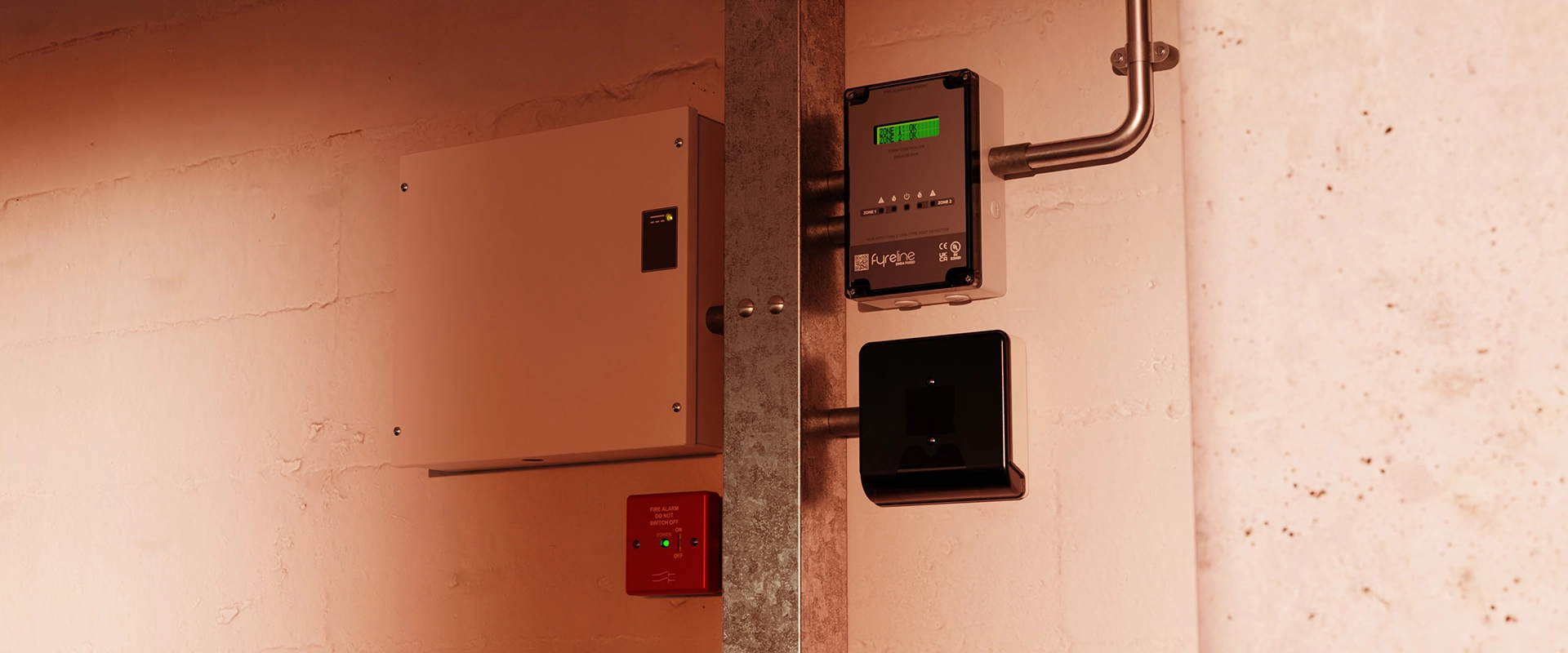
The resettable controller forms the central monitoring component of the system. It continuously measures the resistance characteristics of the detection cable and identifies temperature changes that indicate overheating or fire conditions.
Controllers should be installed in accessible locations such as plant rooms or electrical control areas where they remain protected from harsh environmental conditions. Locating the controller close to monitoring and alarm systems allows operators to respond quickly when an event occurs.

LHD Cable Placement
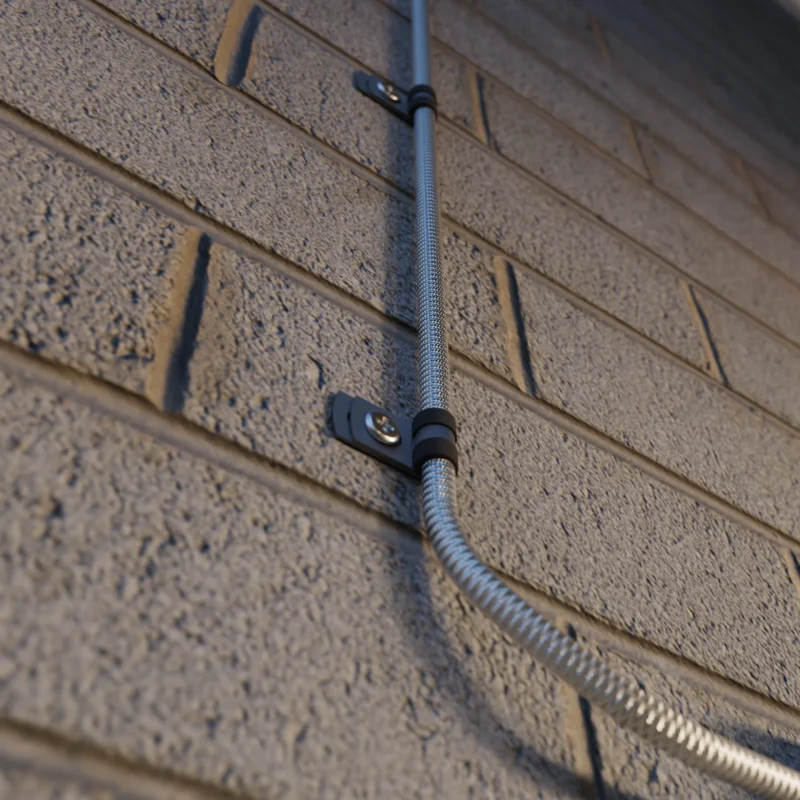
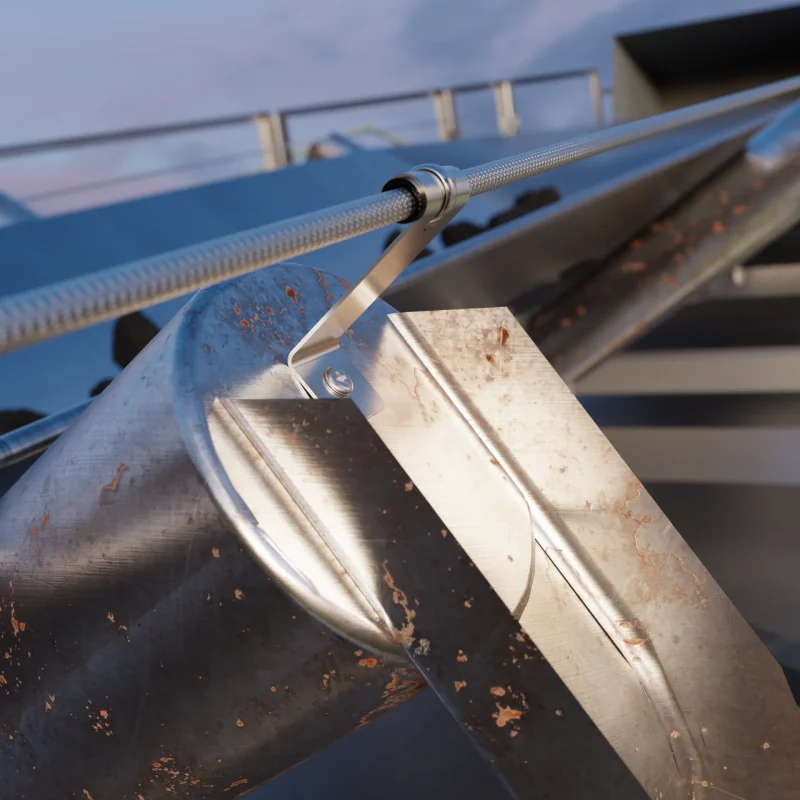
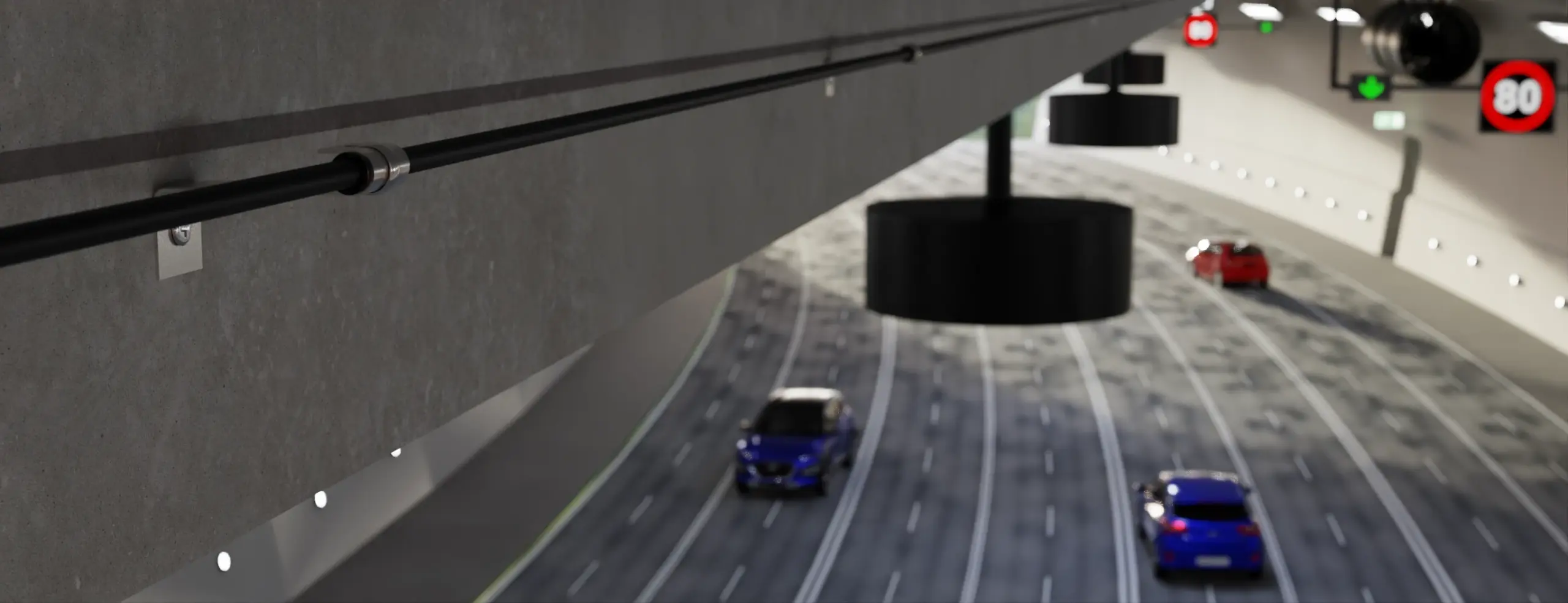
Linear heat detection cables should be installed close to potential heat sources or equipment where overheating may occur. In mining plants this often includes conveyor belts, motors, bearings and processing machinery.
Different outer coatings are available depending on the environment. Nylon coated cables provide strong mechanical protection for general industrial environments, while stainless steel sheathing offers additional durability and resistance in harsh or corrosive conditions.
Correct cable routing ensures that the system can detect temperature rises quickly along the protected area.

Mounting Clips
Mounting clips secure the detection cable along structures and equipment.
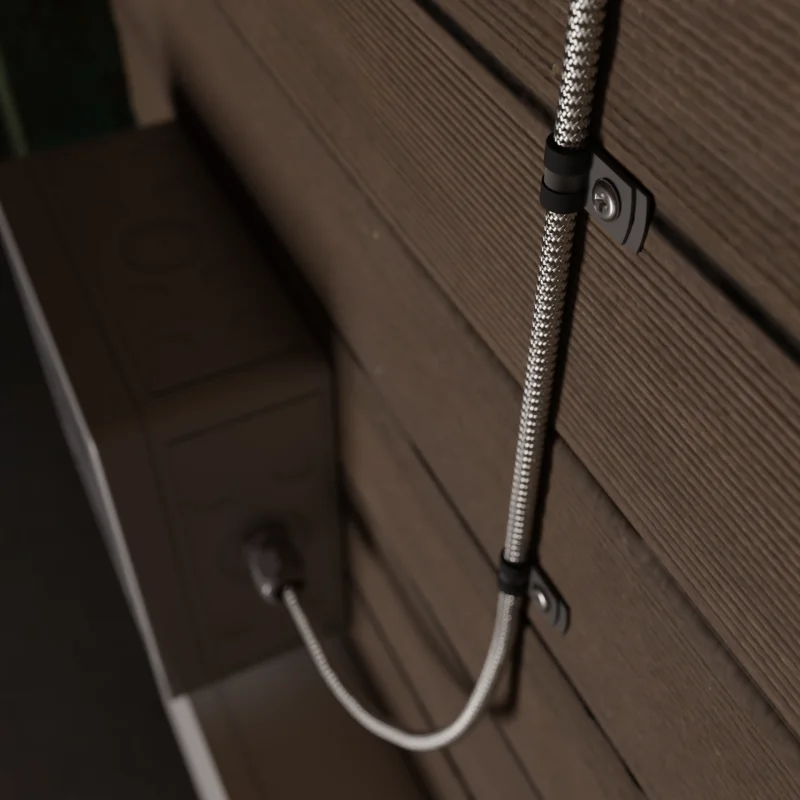
The P Clip is commonly used where the cable must be firmly fixed to structural supports or metal frames. It provides stable positioning and helps maintain the correct distance between the cable and monitored equipment.

The J Clip supports the cable while allowing quick installation along long runs of infrastructure such as conveyor frames.
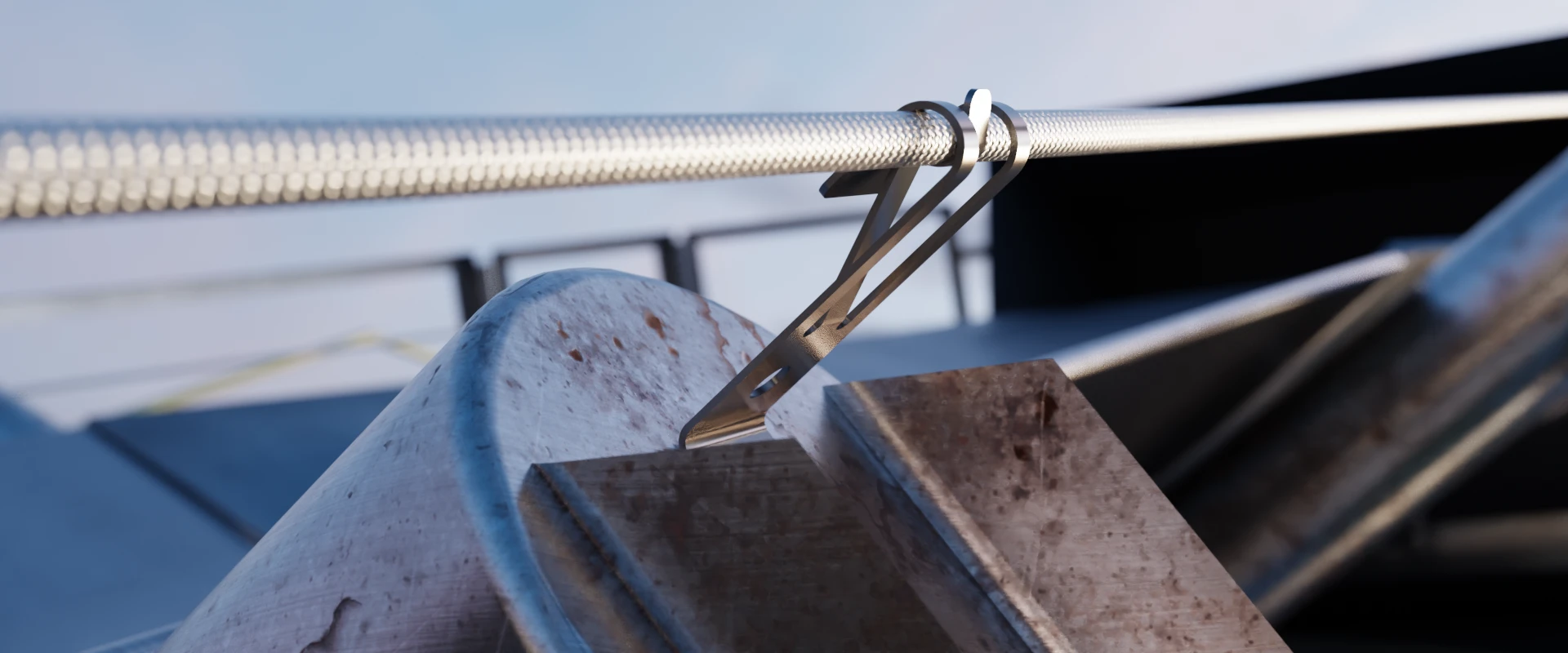
The J Lock Clip provides additional cable retention and is often used in environments where vibration or movement may otherwise dislodge the cable.
EOL Placement
The end of line module completes the monitoring circuit for the detection cable. It allows the controller to supervise the integrity of the cable and confirm that the circuit remains operational.
The module should be installed at the far end of the cable run and positioned in a protected location where it remains accessible for inspection and maintenance.

Typical Wiring Diagram

Why Choose Eurofyre?
- Complete System Supplier
- Eurofyre manufactures and supplies all aspects of fire detection including linear heat detection and its associated products and can provide expert advice and consultation.
- Demonstration and Training
- We offer demonstrations and expert training on a range of systems, including FyreLine Resettable linear heat detection systems, in our very own sophisticated training facility.
- After-Sales Support
- Eurofyre offers both on-site and telephone support to assist you in ensuring that your system is fully functional and operating at maximum efficiency. Our after-sales care and support are second to none.
For more information about FyreLine Resettable Linear Heat Detection, or to discuss any of the other products that Eurofyre has to offer, please feel free to get in touch either by phone on +44 (0) 1329 835 024, by email to sales@eurofyre.co.uk or via the online enquiry form situated on our contact page. Don’t forget you can follow us on LinkedIn, and Instagram or sign up to our newsletter (in the footer below) to receive all the latest information from Eurofyre.