An ATEX area is a location where there is a risk of explosion due to the presence of flammable gases or vapours. The term comes from the EU ATEX directives, which set out the standards for equipment and protective systems intended for use in such environments – derived from the French term “Atmosphères Explosibles” (explosive atmospheres). These areas are carefully classified based on the likelihood and duration of an explosive atmosphere being present.
Typical examples include chemical plants, oil refineries, fuel storage depots and spray painting booths. In all cases, the classification ensures that only suitably certified equipment is used to reduce the risk of ignition.
Risks
Due to the nature of their environment, ATEX areas carry several risks associated with the presence and use of gases.
- Undetected leaks
- Small leaks from pipes, tanks or valves can build up gas levels unnoticed without proper detection.
- Gas accumulation in confined spaces
- Poor ventilation can allow gases to collect in low points or enclosed areas, increasing explosion risk.
- False sense of safety
- Relying on uncertified or poorly maintained detectors can give inaccurate readings.
- Environmental factors
- Humidity, temperature changes or airflow can affect gas dispersion and reduce detection accuracy.
- Delayed response
- Without continuous monitoring, dangerous gas levels may rise before alarms are raised.
Challenges
Reliable gas detection is not straightforward. Several practical challenges must be addressed to ensure accurate and consistent protection in hazardous environments. Some of these include:
- Gas type and properties
- Different gases have different densities, flammability limits and toxicity levels. The detector must be suited to the specific gas risk.
- Detector placement
- Gases rise, fall or disperse differently depending on temperature and airflow. Poor placement can cause missed detections.
- Environmental conditions
- Dust, humidity and temperature fluctuations can interfere with sensor performance and reduce reliability.
- Calibration and maintenance
- Sensors drift over time. Regular calibration and testing are needed to keep accuracy.
- Cross-sensitivity
- Some sensors react to gases other than their target, which can lead to false alarms or missed hazards.
ATEX Area Classification
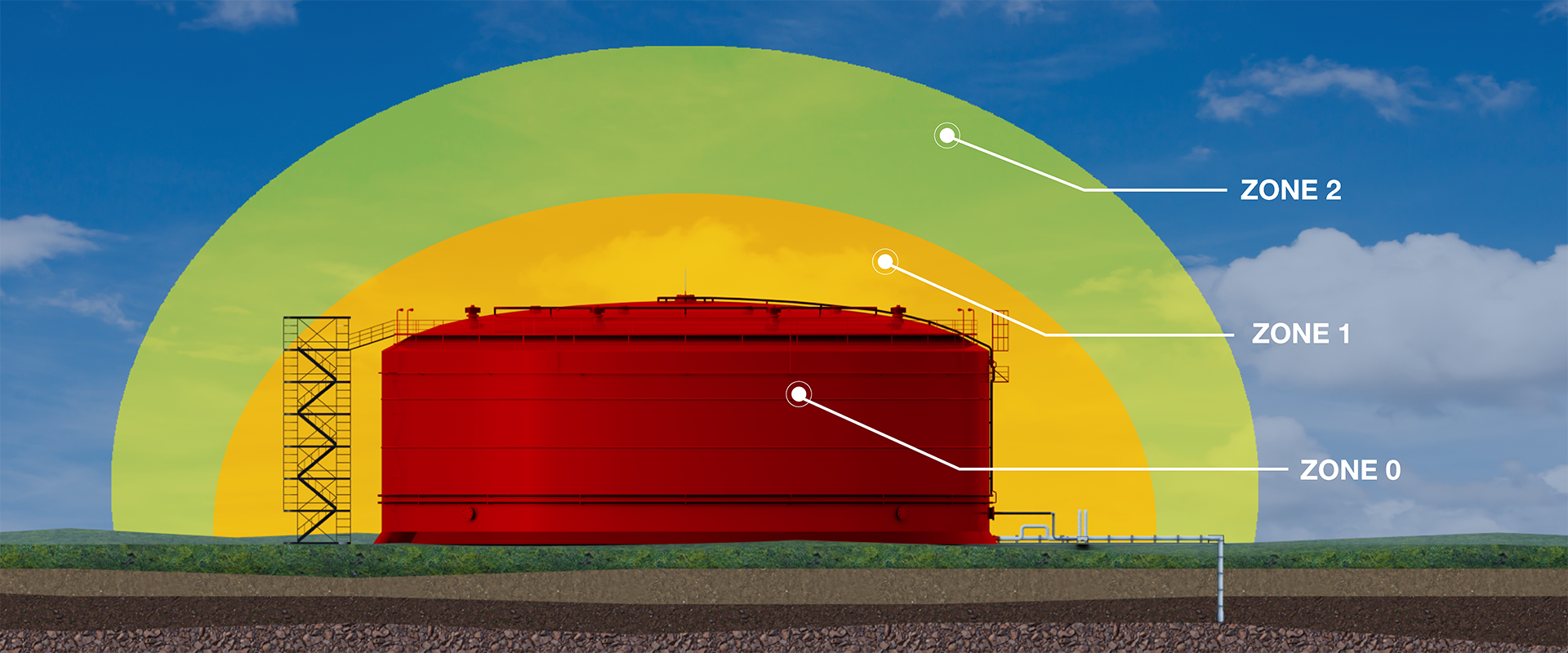
ATEX areas are classified into zones based on the likelihood and duration of an explosive atmosphere being present. Zones are defined separately for gases, vapours and mists, and dust.
- Zone 0 (Gas, vapor, mist) / Zone 20 (Dust)
- An area where an explosive atmosphere is present continuously or for long periods.
- Zone 1 (Gas, vapor, mist) / Zone 21 (Dust)
- An area where an explosive atmosphere is likely to occur in normal operation.
- Zone 2 (Gas, vapor, mist) / Zone 22 (Dust)
- An area where an explosive atmosphere is not likely in normal operation, and if it occurs, it will only persist for a short time.
Oggioni DUST

The Oggioni DUST system is a compact and reliable solution for gas detection in industrial and hazardous environments. Designed for ATEX Zone 2 applications, it provides real-time monitoring of flammable gases, toxic gases and oxygen levels. Its rugged IP65-rated housing ensures durability, while low power consumption and microprocessor-based control deliver consistent performance.
Oggioni DUST features 4–20 mA outputs, MODBUS RTU communication and relay options for flexible integration. Calibration is straightforward and can be performed by a single operator, reducing downtime. This makes the DUST series a practical choice for maintaining safety and compliance in gas-sensitive environments.
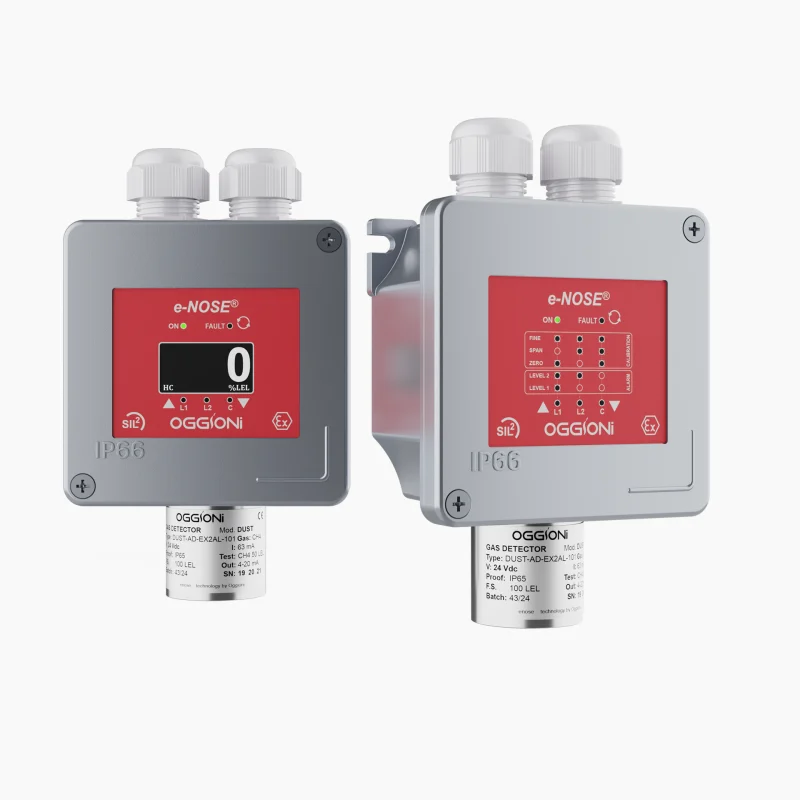
Oggioni DUST explosive gas detectors provide reliable monitoring in ATEX Zone 2 areas. They detect flammable gases using catalytic, infrared or electrochemical sensors.
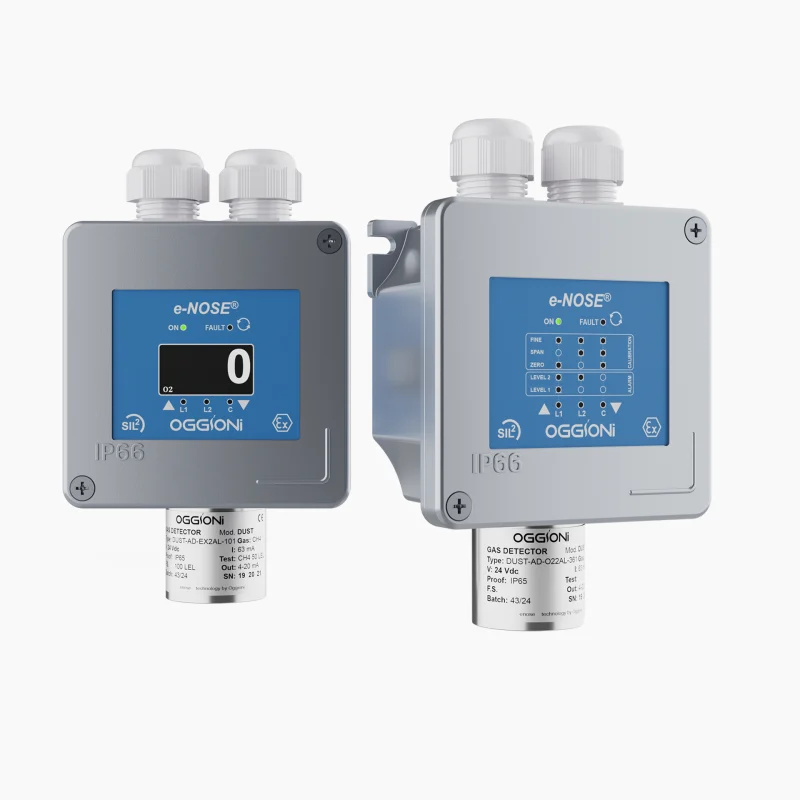
Oggioni DUST oxygen gas detectors monitor O₂ levels in hazardous environments to prevent unsafe depletion or enrichment. Using electrochemical sensors, they deliver accurate, real-time readings.
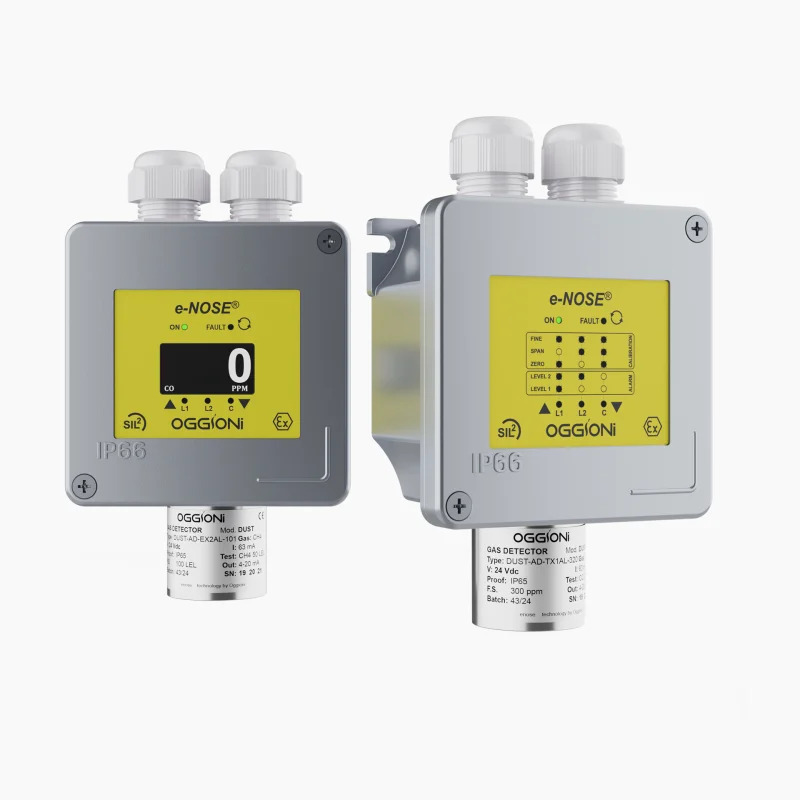
Oggioni DUST toxic gas detectors provide continuous monitoring of hazardous gases such as CO, H₂S, and NH₃. Using electrochemical sensors, they deliver precise readings in real time.
Approvals

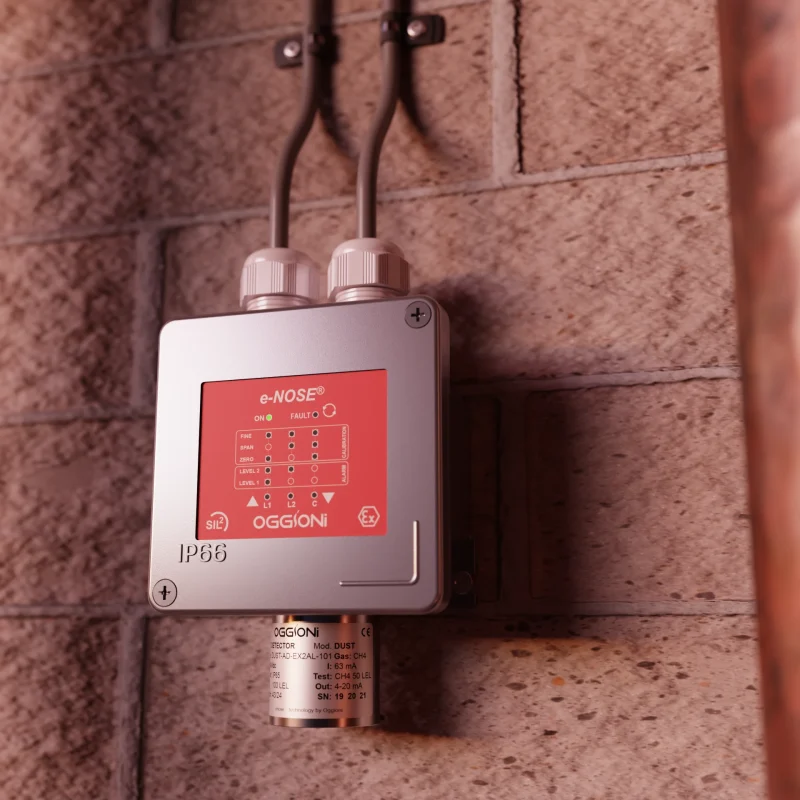
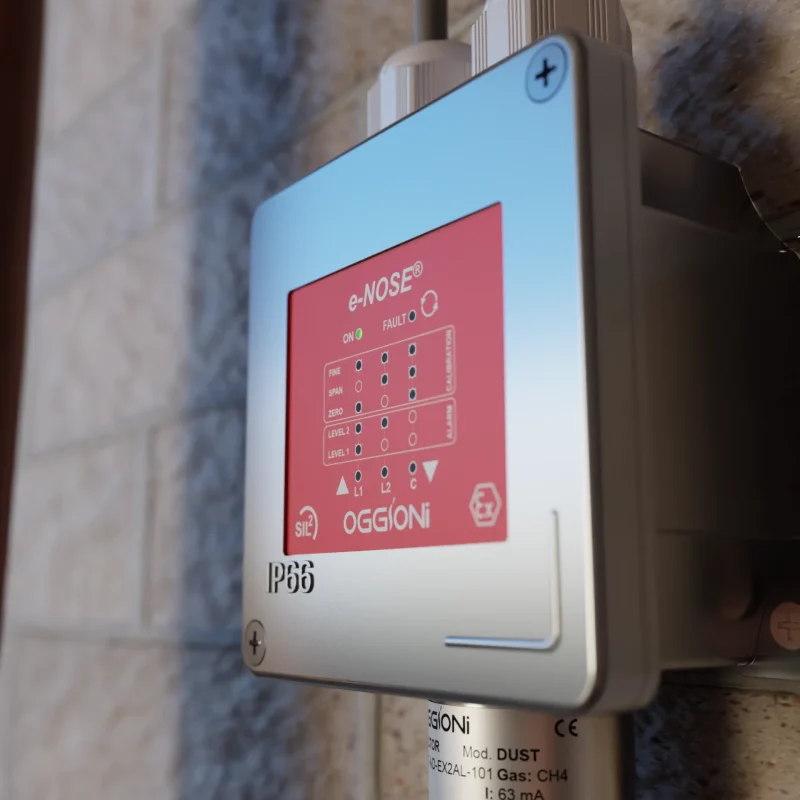
Oggioni DUST-AD
The DUST-AD range uses catalytic, infrared, or electrochemical sensors to detect flammable, toxic gases and oxygen. Compact and resistant to environmental interference, they suit a wide range of industrial applications. They should be placed in areas where target gases are most likely to accumulate, following ATEX Zone 2 guidance.
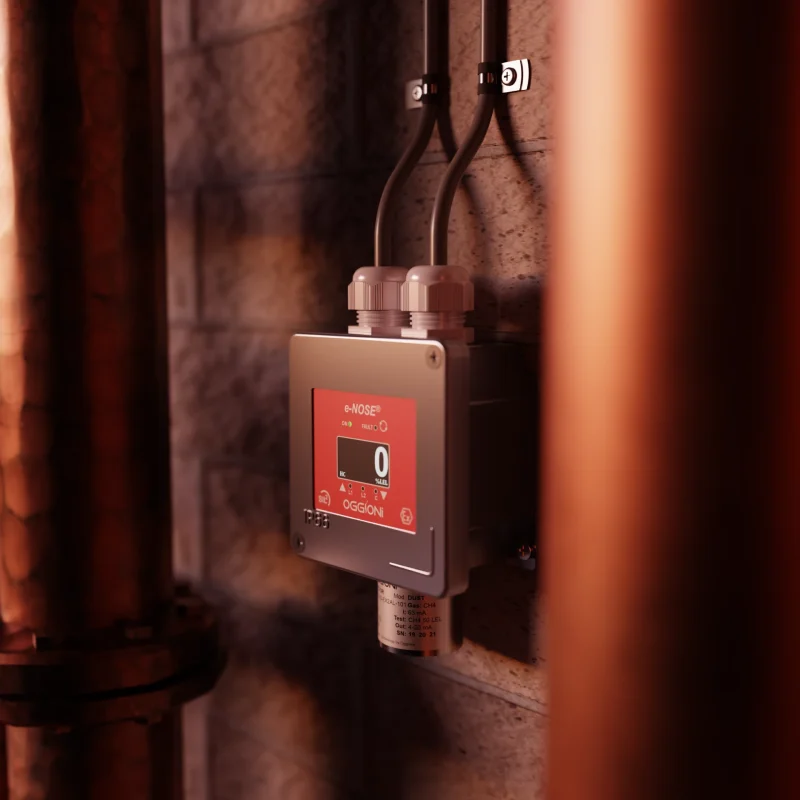
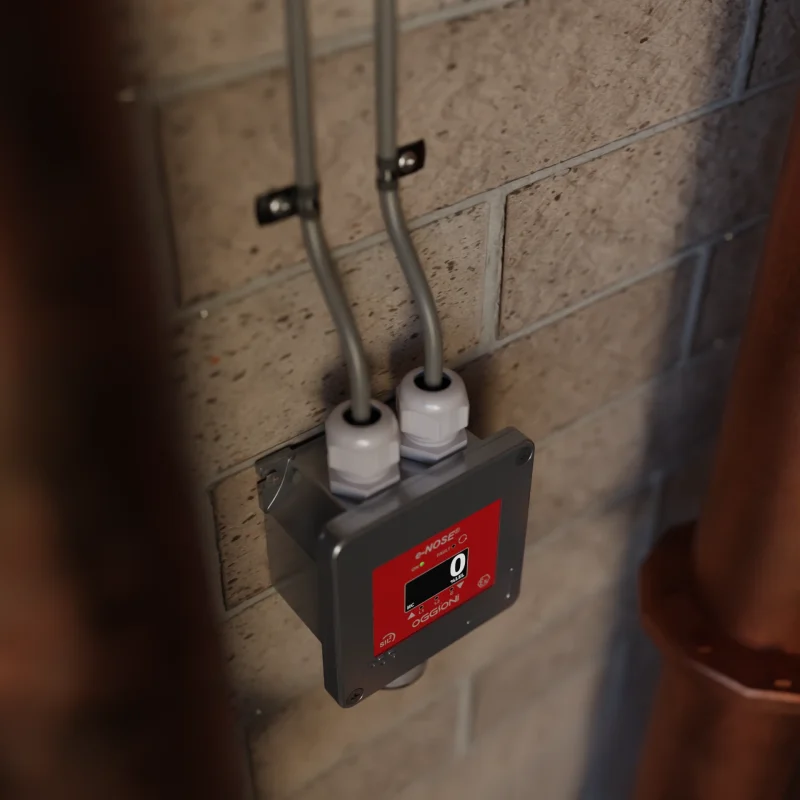
Oggioni DUST-DY
The DUST-DY range includes a built-in LCD display and programmable settings for on-site configuration. Like the DUST-AD, they support multiple sensor types for flexible detection. They should be installed where personnel need clear visual status locally, positioned in gas risk zones identified through a site risk assessment.
Why Choose Eurofyre?
- Complete System Supplier
- Eurofyre supplies all aspects of fire and gas detection, including the Oggioni gas detection range, and can provide expert advice and consultation.
- Demonstration and Training
- We offer demonstrations and expert training on a range of systems, including Oggioni Gas detection systems, in our very own sophisticated training facility.
- After-Sales Support
- Eurofyre offers both on-site and telephone support to assist you in ensuring that your system is fully functional and operating at maximum efficiency. Our after-sales care and support are second to none.
For more information about Oggioni DUST Gas Detection, or to discuss any of the other products that Eurofyre have to offer, please feel free to get in touch either by phone on +44 (0) 1329 835 024, by email to sales@eurofyre.co.uk or via the online enquiry form situated on our contact page.
Don’t forget you can follow us on LinkedIn, X and Facebook or sign up to our newsletter (in the footer below) to receive all the latest information from Eurofyre.