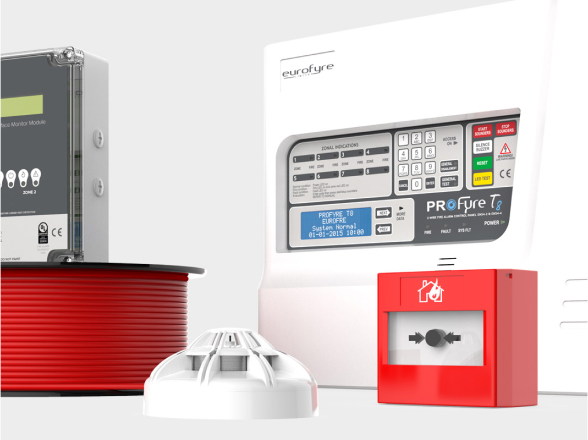
Eurofyre’s 2024 Christmas Greetings
As the year draws to a close, we take this opportunity to reflect on 2024’s achievements and look ahead with optimism to what 2025 has in store for Eurofyre and the fire detection industry. This past year brought remarkable advancements and opportunities, with innovation driving the fire detection market to new heights. At Eurofyre, we […]
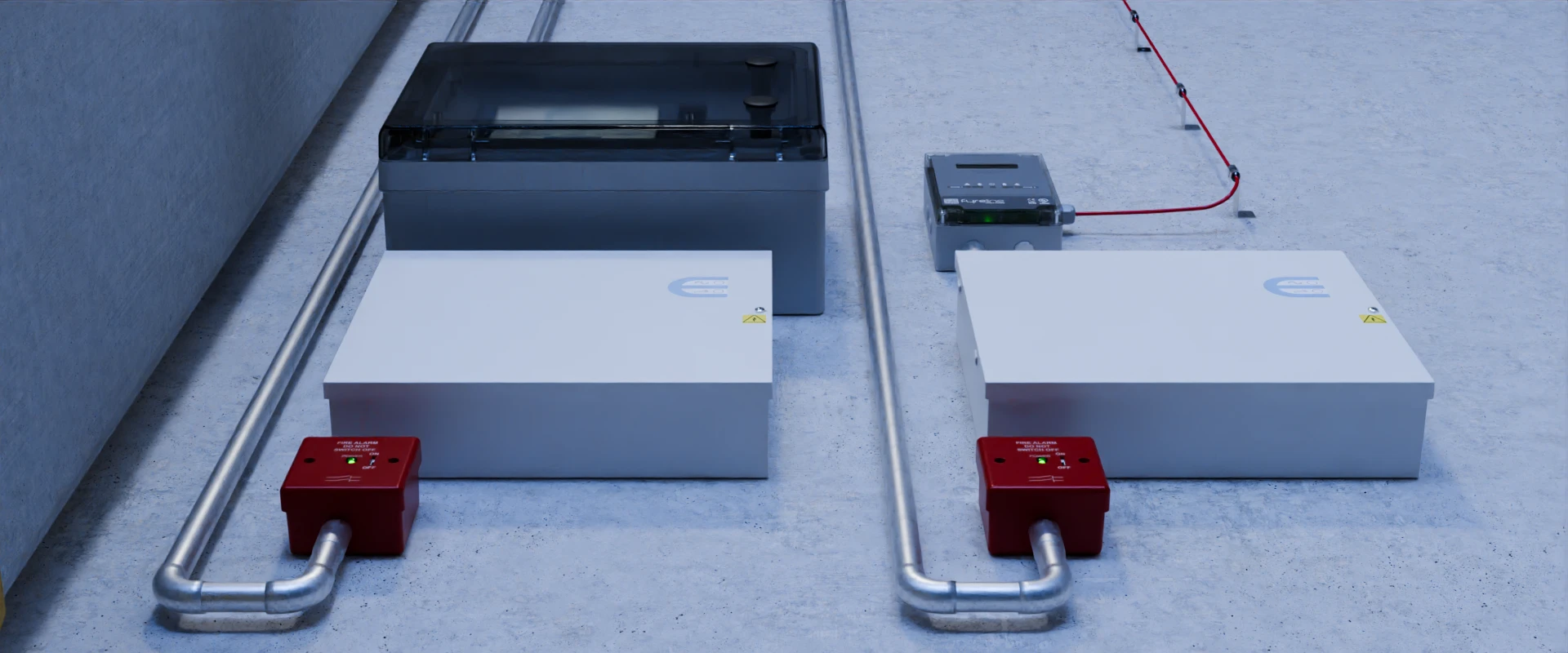
Oggioni PARK-4 Gas Detection & FyreLine Linear Heat Detection for Car Parks
A car park is an area or building where vehicles can be parked temporarily. It may be outdoors, consisting of marked spaces on a flat surface, or indoors, such as a multi-storey facility with designated parking levels. Car parks are often found near businesses, shopping centres and public areas, allowing people to leave their vehicles […]

FyreLine Digital Linear Heat Detection Integration with Xenos
Linear heat detection systems use heat-sensitive cables to detect temperature changes over large areas, making them ideal for challenging environments like tunnels or industrial facilities. These systems provide continuous monitoring along their entire length, enabling rapid detection of potential fire hazards. Combining linear heat detection with wireless fire detection enhances overall safety by providing flexible, […]
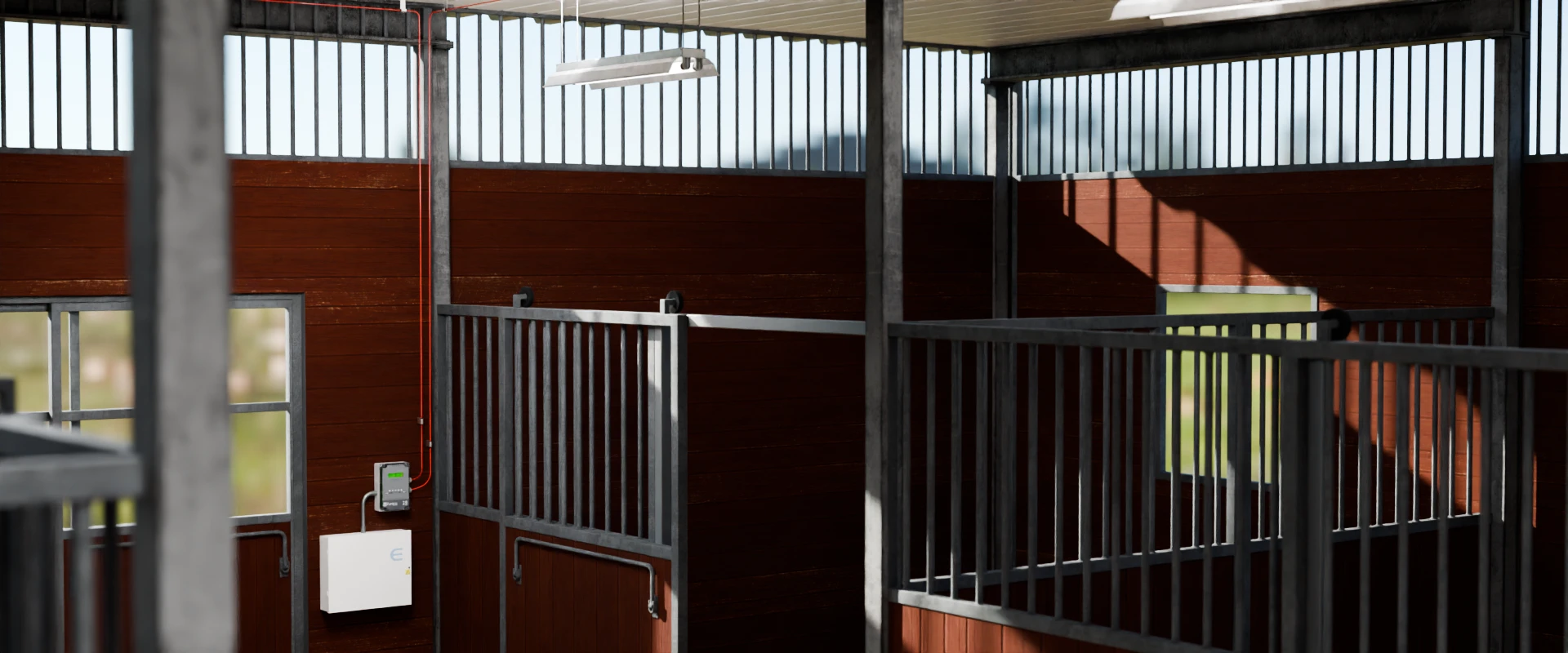
FyreLine EN54 Fixed Linear Heat Detection for Stables
Stables are buildings designed to house and care for horses, typically featuring individual stalls for each horse, providing a safe and comfortable environment. Key elements of stables include proper ventilation, adequate lighting, and durable flooring, often made of materials like rubber mats or concrete to ensure cleanliness and ease of maintenance. Stables also often have […]
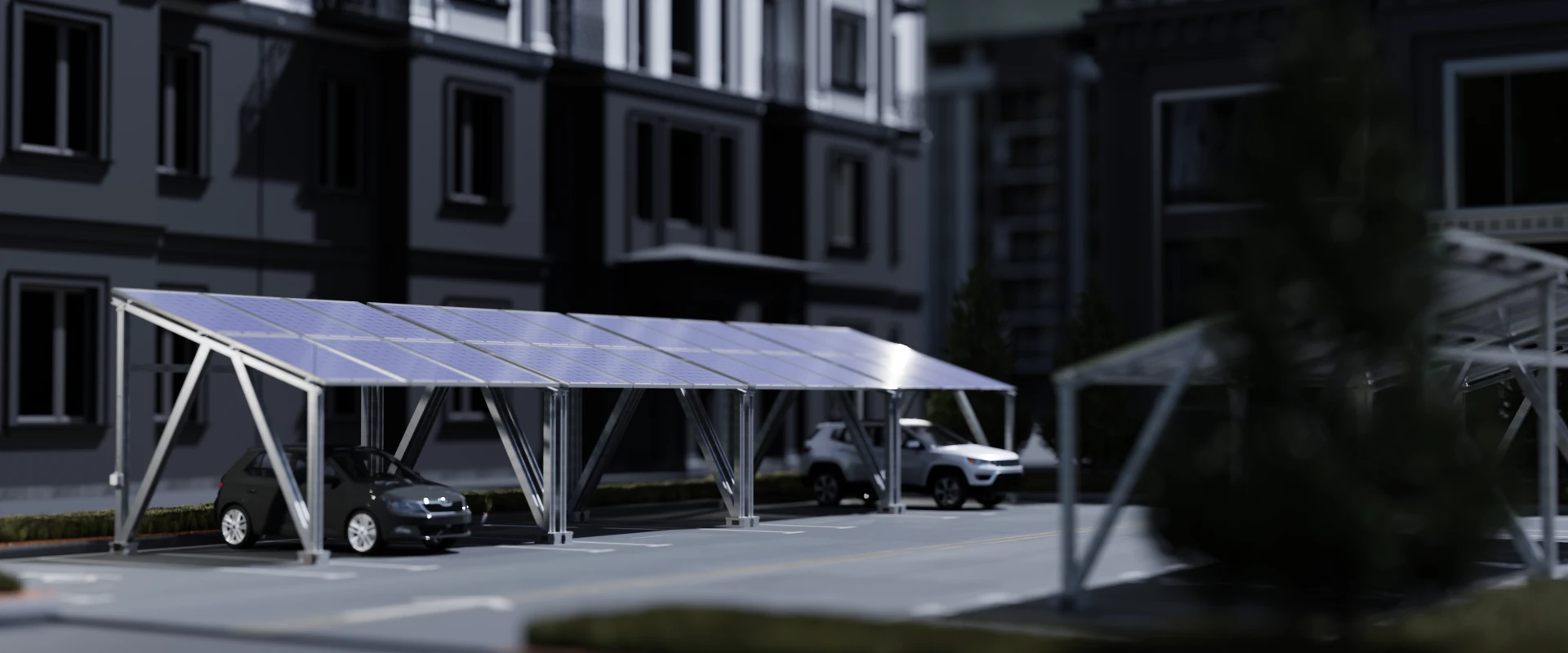
FyreLine Digital Linear Heat Detection for Solar Carports
Solar carports integrate photovoltaic (PV) panels into carport roofs, generating renewable energy and providing shaded parking. Made from materials like steel or aluminium, they support solar panels and withstand various weather conditions. Solar panels capture sunlight, converting it into direct current (DC) electricity. Inverters then change this DC electricity into alternating current (AC) for practical […]