Museums are home to some of the world’s most valuable and culturally significant artifacts. Unlike typical commercial buildings, where stock can be replaced and structures rebuilt, the contents of a museum are often irreplaceable. A fire in a gallery doesn’t just cause financial loss, it can wipe out centuries of history in minutes.
Because of this, fire safety in museums goes beyond simple code compliance. The goal isn’t just to get people out safely, but to detect a fire before smoke or heat can damage delicate collections. However, protecting these spaces is difficult. With high ceilings, strict aesthetic requirements, and complex layouts, traditional detection methods often fall short, leaving invaluable assets at risk.
Risks
Museums are complex environments where the building fabric, the contents and the daily activities all contribute to a variety of fire risks. Some of these include:
- Electrical faults
- Many galleries rely on complex lighting, display cases and climate control systems. Faulty wiring, overloaded circuits or ageing components can lead to overheating and ignition.
- Older or listed buildings often contain hidden voids and dated cabling. Undetected defects can develop into hazards, especially where access for inspection is limited.
- Maintenance and refurbishment work
- Hot works such as soldering or drilling can produce heat or sparks. Dust from refurbishment can also settle on equipment and increase the risk of ignition.
- Storage areas
- Back-of-house rooms often hold textiles, documents, packaging and cleaning supplies. These materials burn quickly and can allow a small fire to spread fast.
- Human error
- Unattended appliances, incorrect use of equipment or failure to follow safety procedures can create avoidable risks during daily operations and events.
Challenges
Museums also present a number of challenges when it comes to designing an effective and reliable fire detection solution:
- Protecting sensitive collections
- Many items react to heat, smoke or dust. Systems must detect fire early without harming objects or altering the environment they need.
- Working within complex buildings
- Older or listed buildings often limit drilling or cable routes. High ceilings, voids and irregular layouts make detector placement difficult.
- Balancing aesthetics with safety
- Galleries need discreet equipment that does not distract from displays. Designers must place detectors so they blend into the space while still performing well.
- Managing varied room types
- Museums include galleries, archives, workshops and storage areas. Each space has different risks and airflow patterns, which affects detector choice and positioning.
- Ensuring reliable early detection
- Smoke may move slowly in large rooms or rise quickly in confined spaces. Systems must respond fast enough to protect visitors, staff and collections.
VESDA-E Aspirating Smoke Detection
VESDA-E is a high-sensitivity aspirating smoke detection system designed for environments where standard point detectors may not respond quickly enough. It uses a network of small sampling points connected to a central detector that continually draws air through the pipe system for analysis. This approach allows the detector to identify very small levels of smoke long before they are visible in a room. In a museum, this early warning is critical because it gives staff time to act before smoke or heat can affect fragile collections.
The system offers a wide detection range, from the earliest incipient stages of a fire through to higher smoke concentrations. Intelligent airflow monitoring helps maintain reliable performance even in difficult environments with changing conditions. VESDA-E also supports flexible pipe layouts, which makes it suitable for large galleries, high ceilings and areas where access is limited. Its discreet sampling points allow the system to remain almost invisible in public spaces. Integration options with building management and fire panels give teams clear insight into system health and alarm status, which helps streamline maintenance and response.
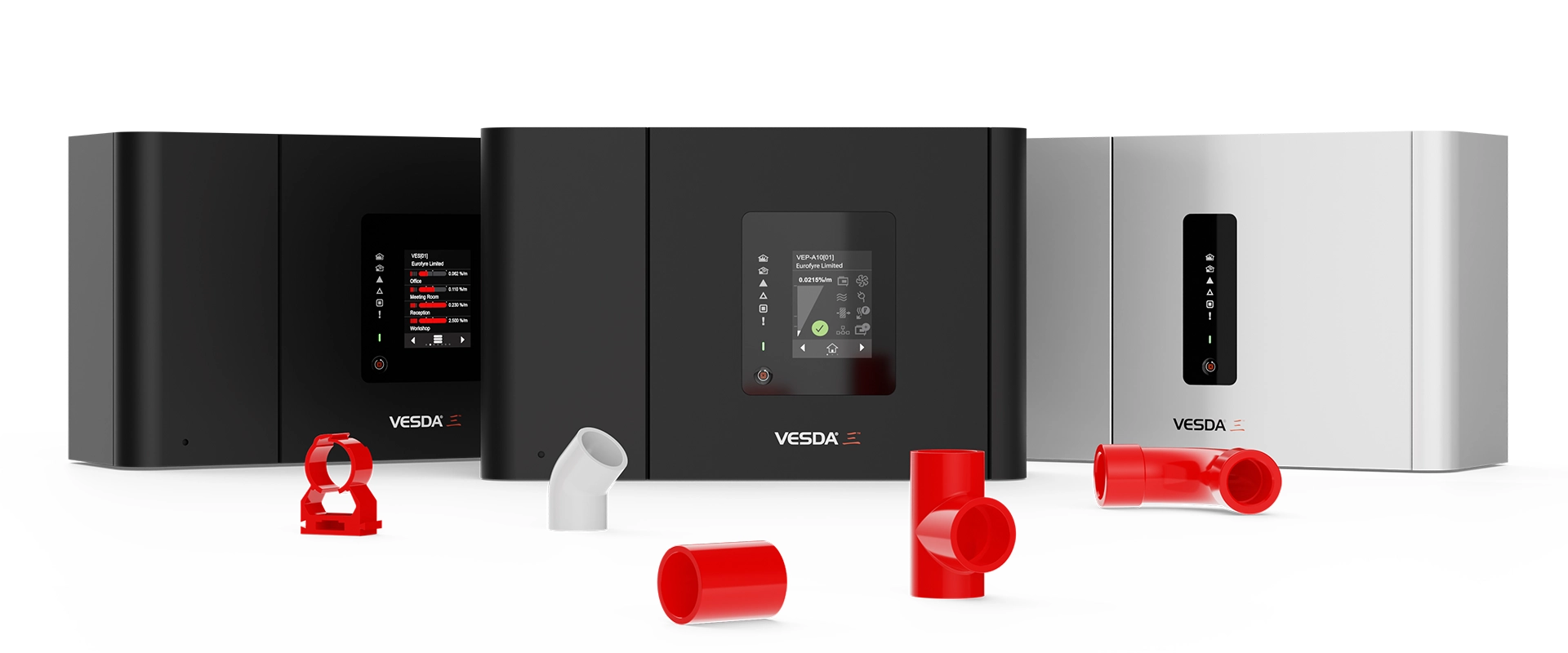
VESDA-E VEP Aspirating Smoke Detector
VESDA-E VEP detectors provide very early smoke detection for spaces that need fast and reliable warning. They draw air through a network of sampling points and analyse it with high sensitivity, which helps identify fire in its earliest stages. The detectors maintain stable performance through intelligent airflow monitoring and adaptive algorithms that reduce false alarms. They support long pipe runs and flexible layouts, which suits large galleries and high ceilings. The units offer clear status information, simple maintenance and strong integration with fire panels and building systems, giving teams accurate insight into events and system health.
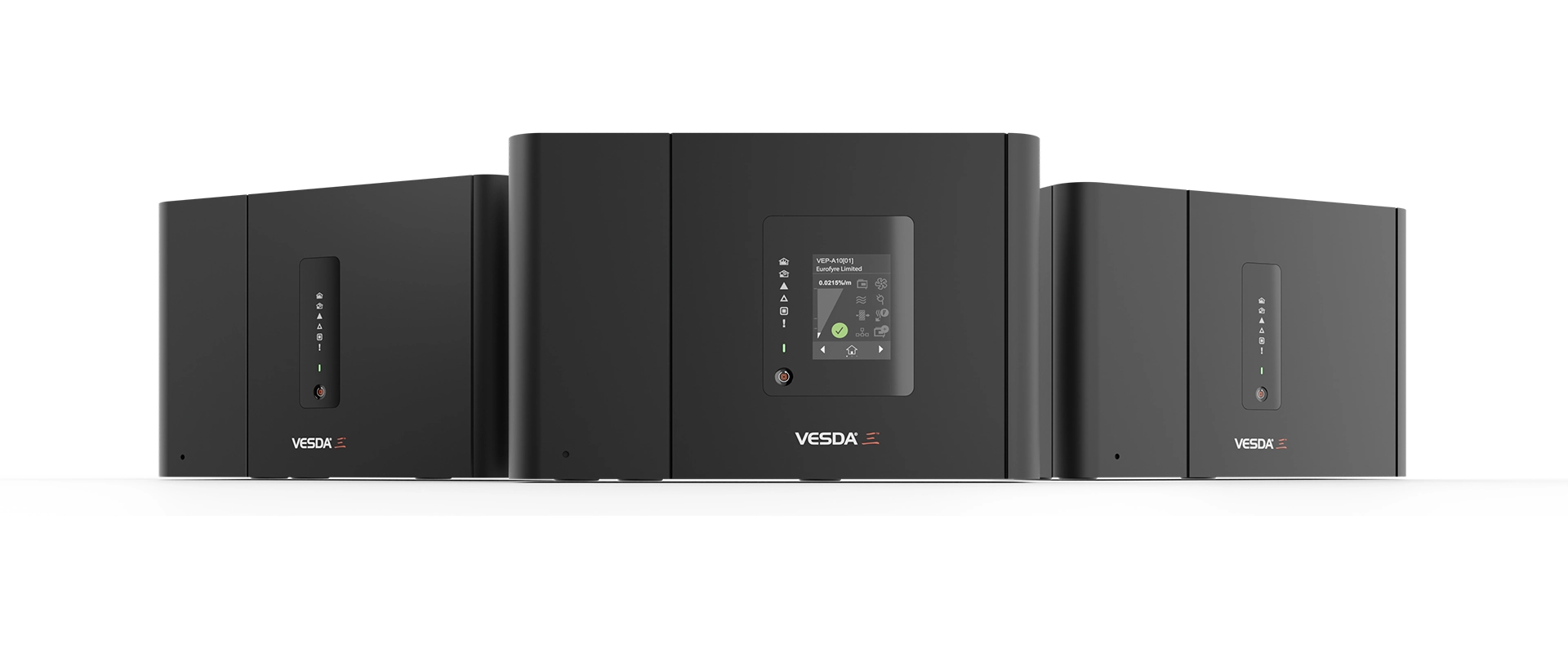
VESDA-E VES Aspirating Smoke Detector
The VESDA-E VES ASD is a high-sensitivity multi-zone aspirating detector that delivers very early warning and identifies which area first shows signs of smoke. It draws air from several pipes into one detector and uses internal valves to monitor each zone. This gives fast, accurate location information for large or complex buildings. The system supports long pipe runs, stable airflow monitoring and simple integration with fire panels, which helps teams respond quickly and maintain reliable protection.
Approvals
VESDA-E systems hold approvals from major global testing bodies, which confirms their performance and reliability in demanding environments. Certifications, such as EN 54-20 and UL, support their use in life safety applications. These approvals show that the detectors meet strict sensitivity, stability and environmental standards, giving museums confidence that the system will perform as expected.





Design Considerations
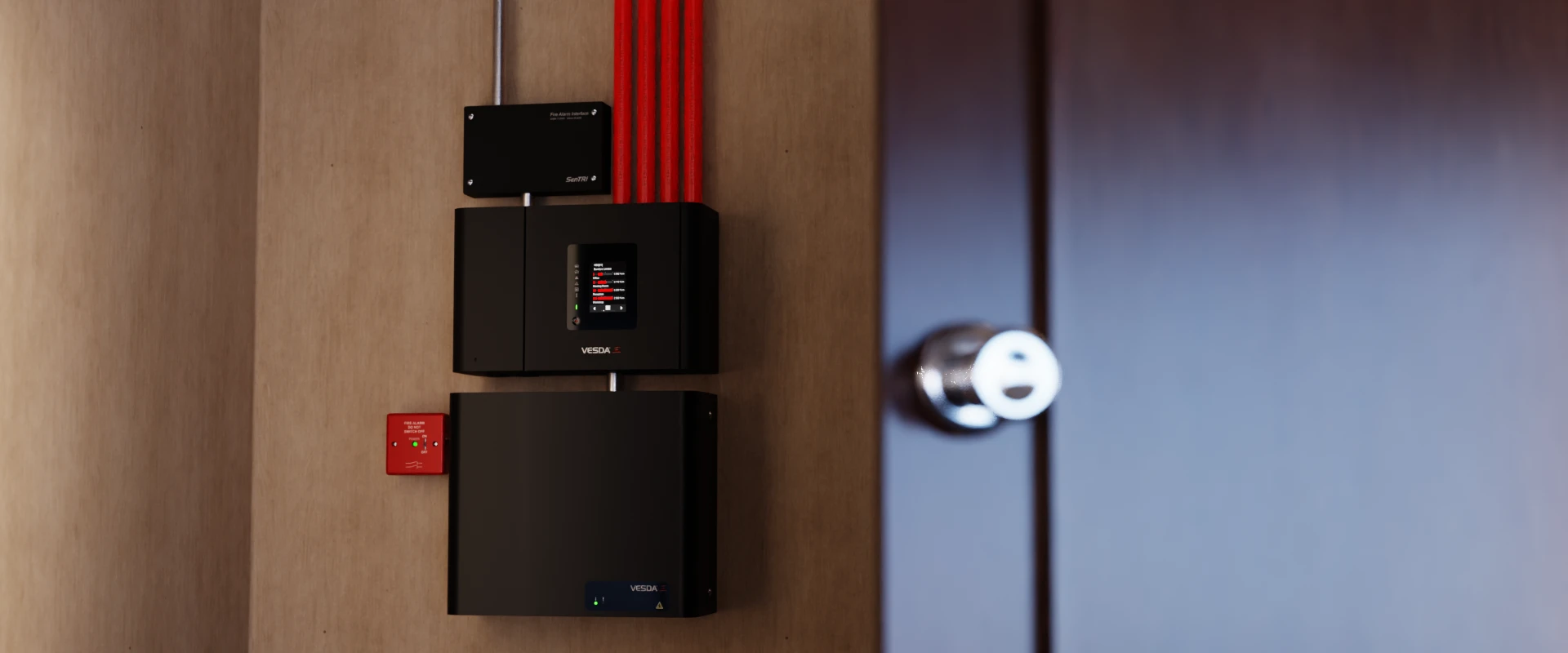
Control Panel Placement
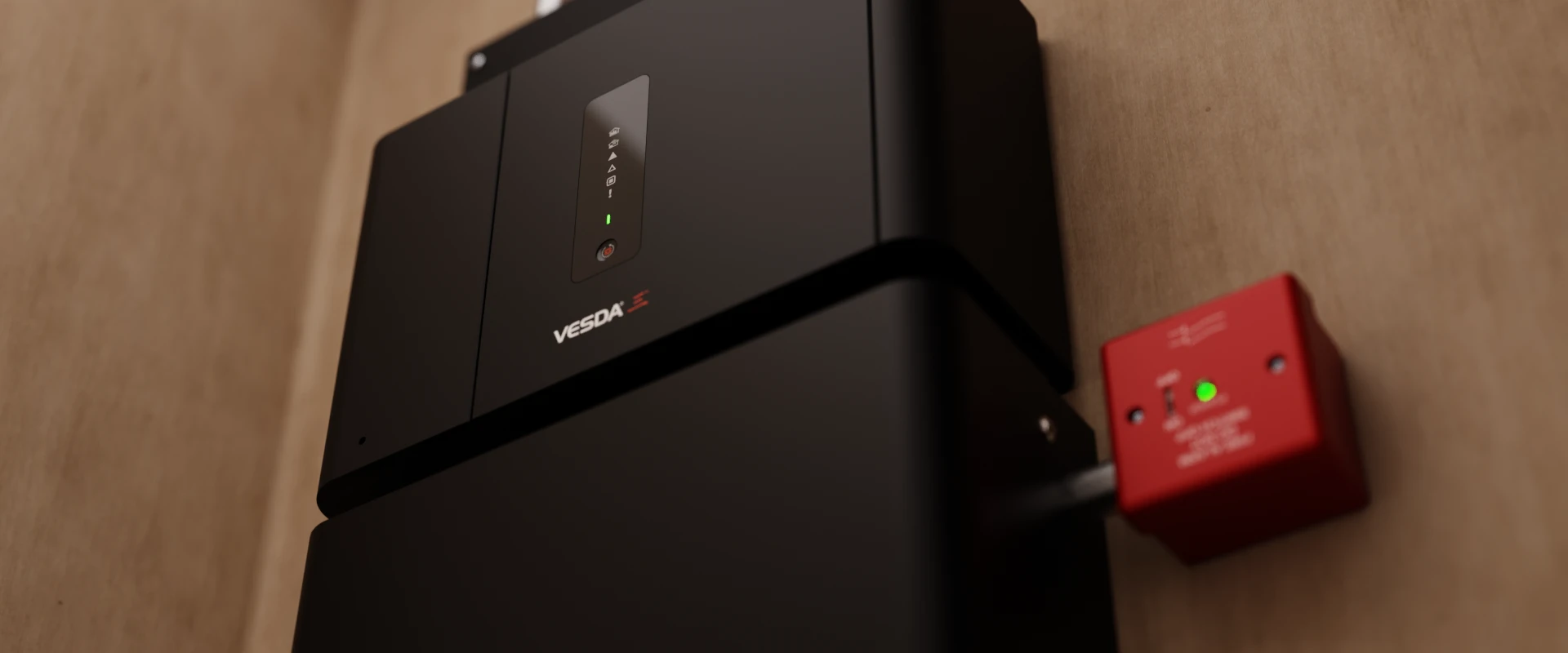
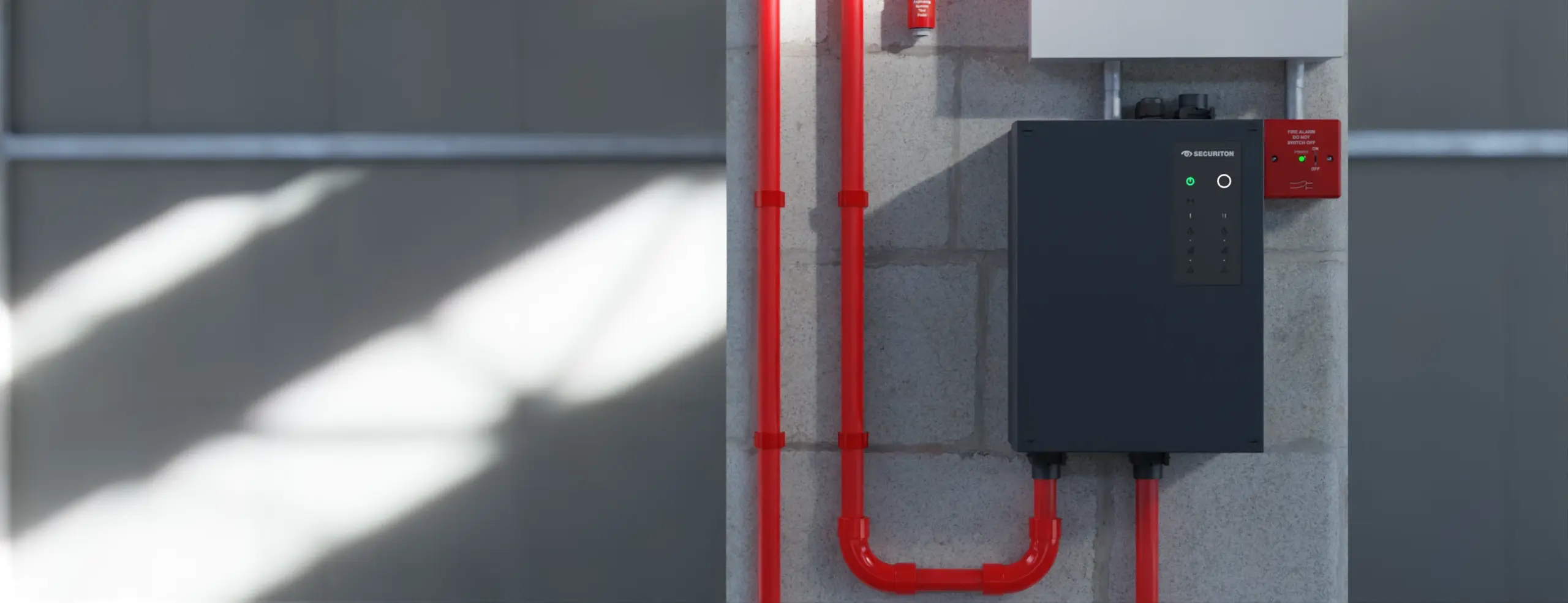
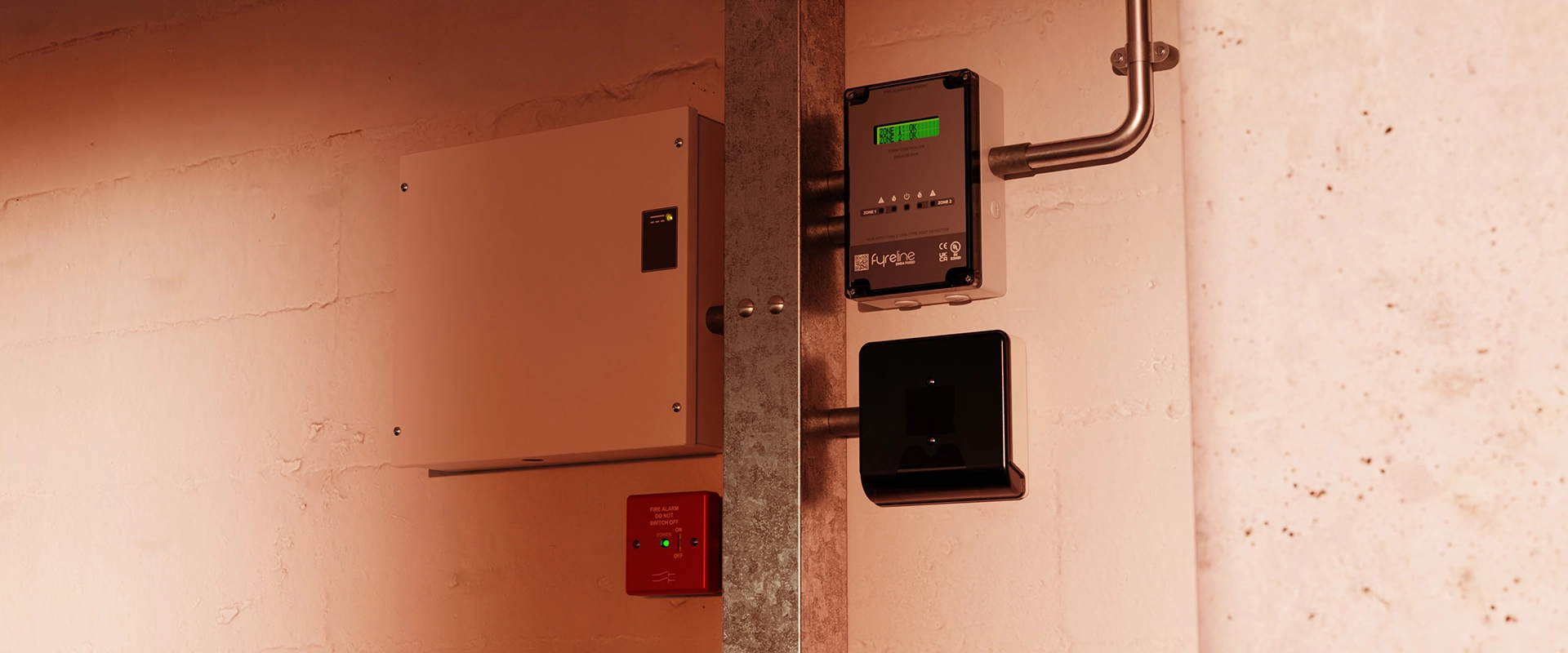
VESDA-E control panels provide clear system status, fault information and alarm indication in a simple, centralised interface. They help staff view events quickly and support efficient maintenance. Panels work alongside the detectors to give an accessible point for monitoring and control without entering protected spaces. The best placement is in an area with regular staff access, such as a security room or facilities office, where teams can respond to alerts and carry out routine checks without disturbing galleries or visitors.
ASD Pipe Placement
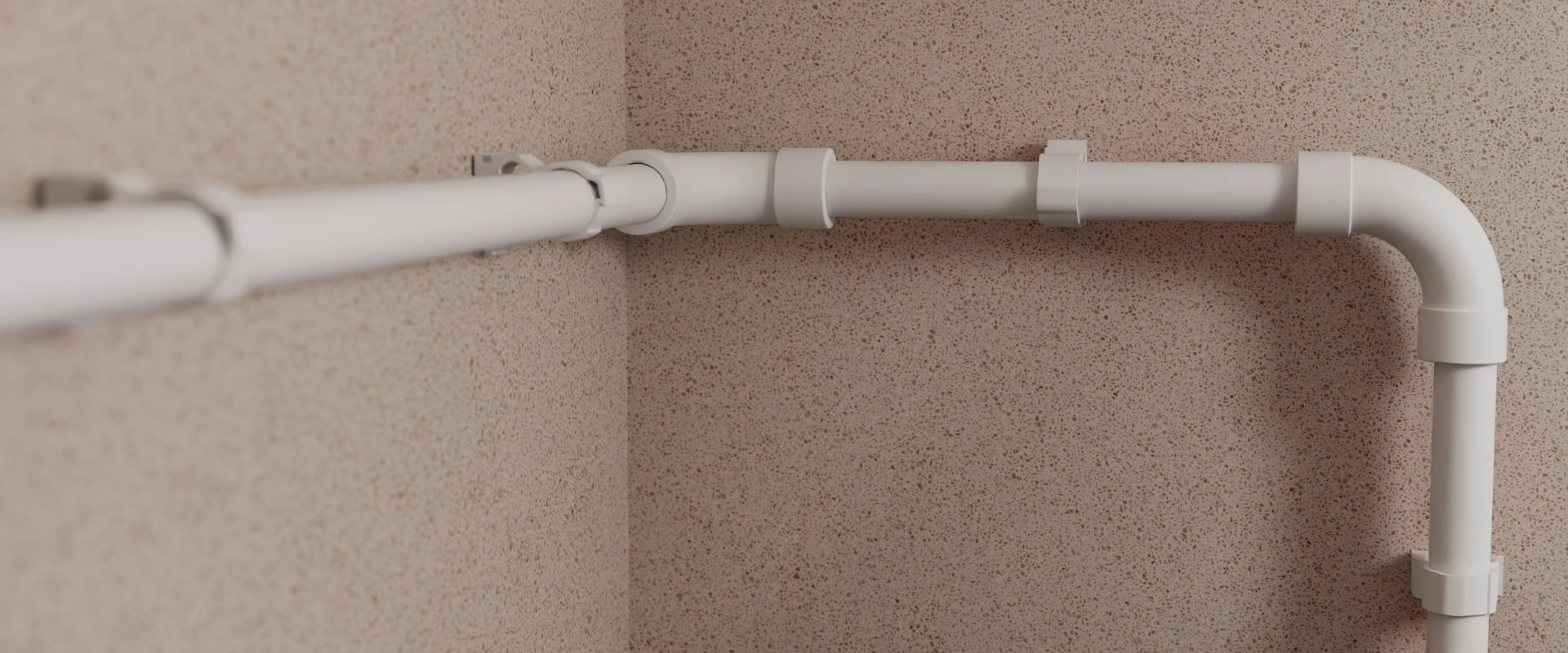
ASD pipe and fittings form the network that carries air from sampling points to the detector. The pipework is lightweight, easy to install and available in colours that suit different environments. Secure fittings keep airflow stable, which helps the system maintain accurate detection. Correct pipe layout is important because it supports even sampling across the space and ensures reliable early warning in both open galleries and confined rooms.
Low Level Maintenance
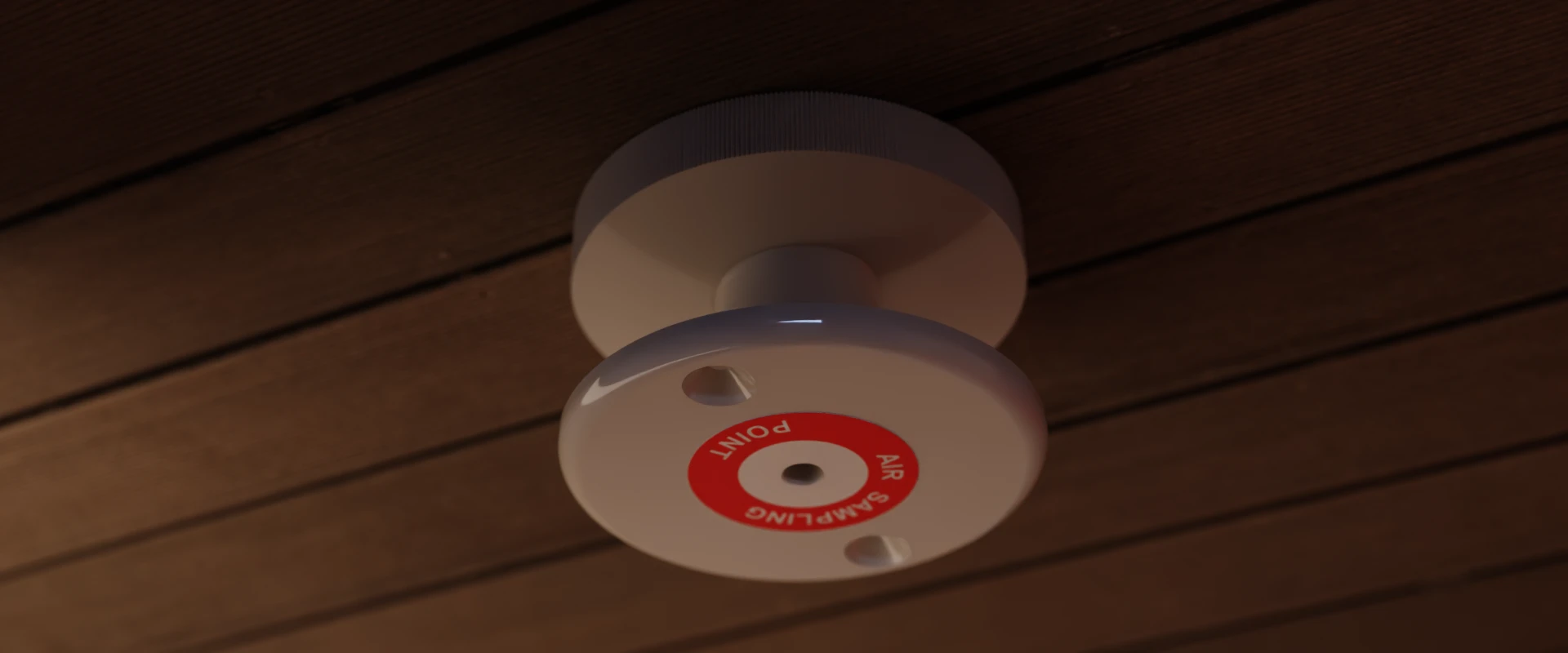
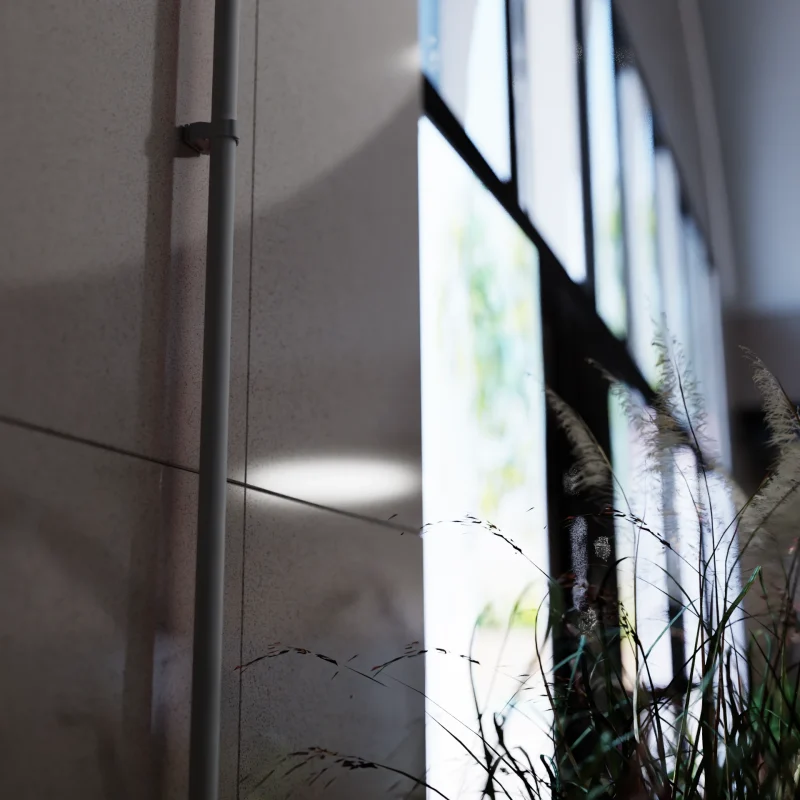
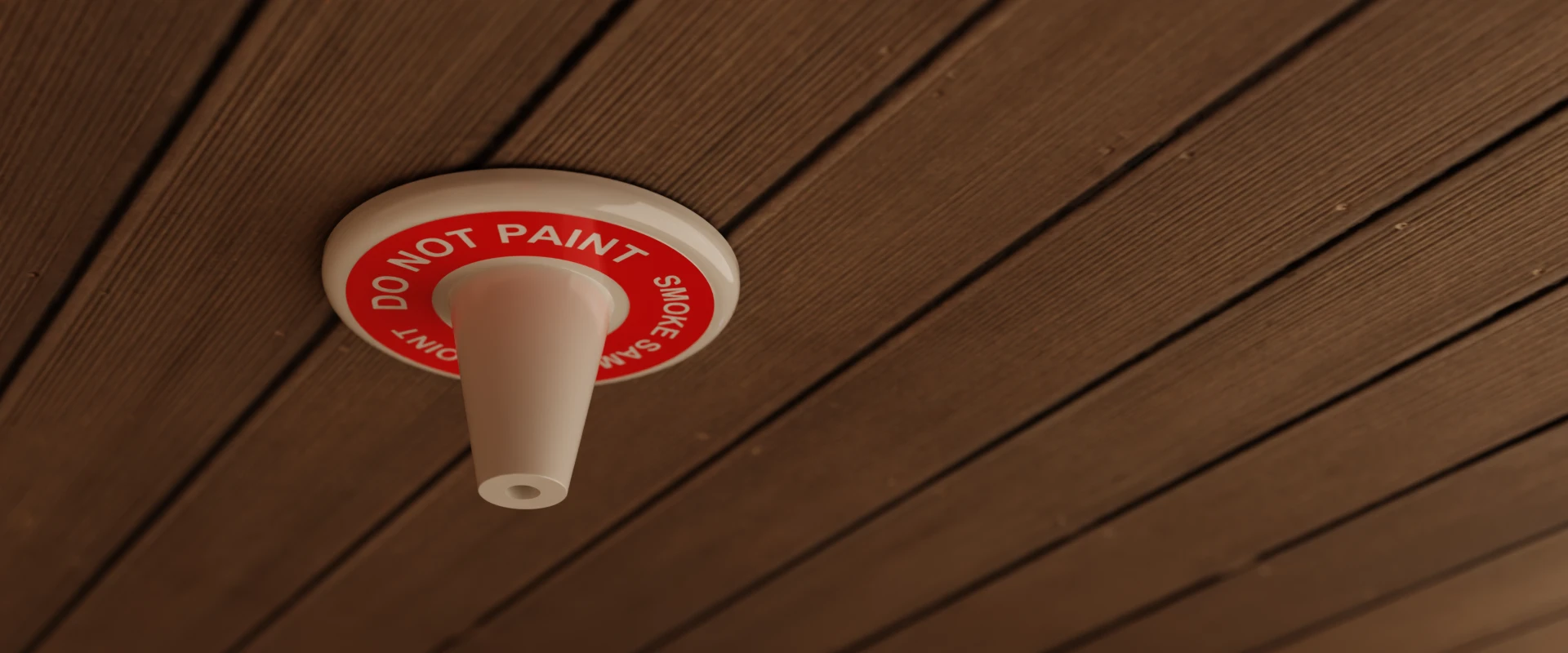
Capillary pipes and sampling points allow ASD systems to collect air from precise locations without affecting the appearance of a gallery. The narrow capillary tubes run from the main pipe to discreet sampling points placed in ceilings, cabinets or display areas. They provide accurate airflow while keeping equipment hidden, which protects the visual quality of exhibitions. Their low level placement also supports simple inspection and cleaning, which helps maintain long-term performance.
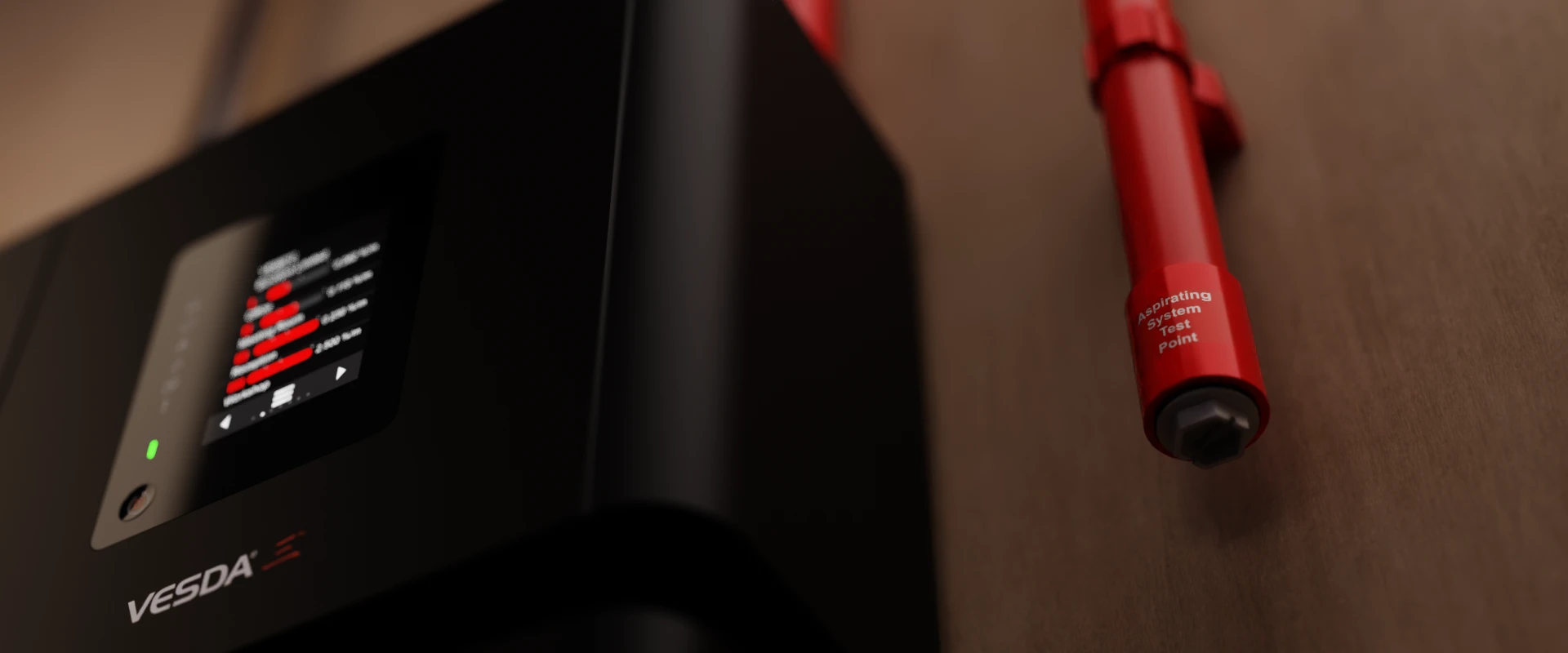
A dedicated testing point is fitted into the pipe network to let engineers introduce test smoke without reaching high ceilings or disturbing displays. This makes routine maintenance faster and safer, and it ensures the system continues to meet its required sensitivity.
Handpicked Solutions for Museums
Aspirating Smoke Detectors
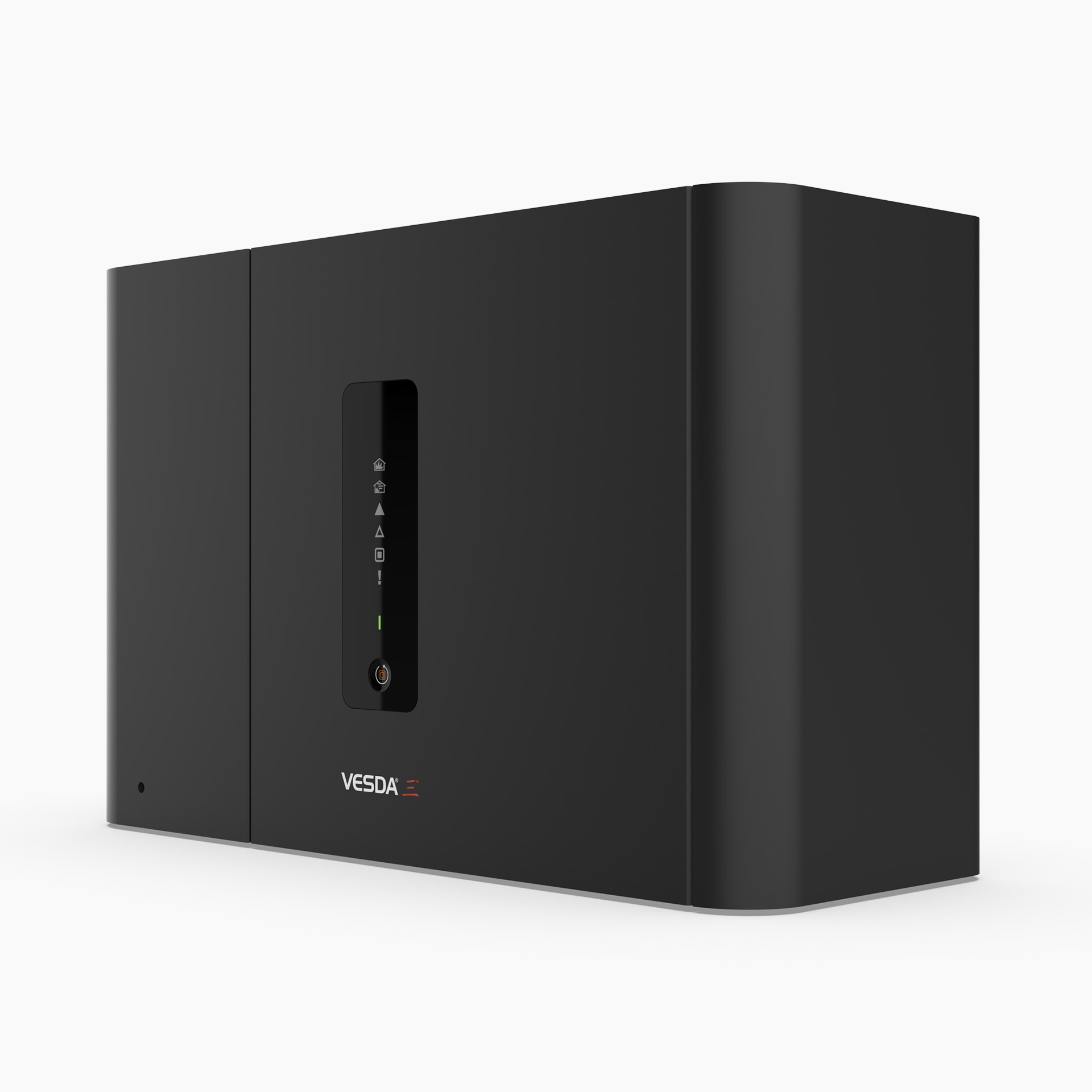
VESDA VEP detectors use advanced Flair™ technology to give a very early warning of a potential fire while being smart enough to prevent false alarms. For ongoing accuracy and reliability, they are built with absolute calibration, protected internal optics, and an intelligent dust filter.
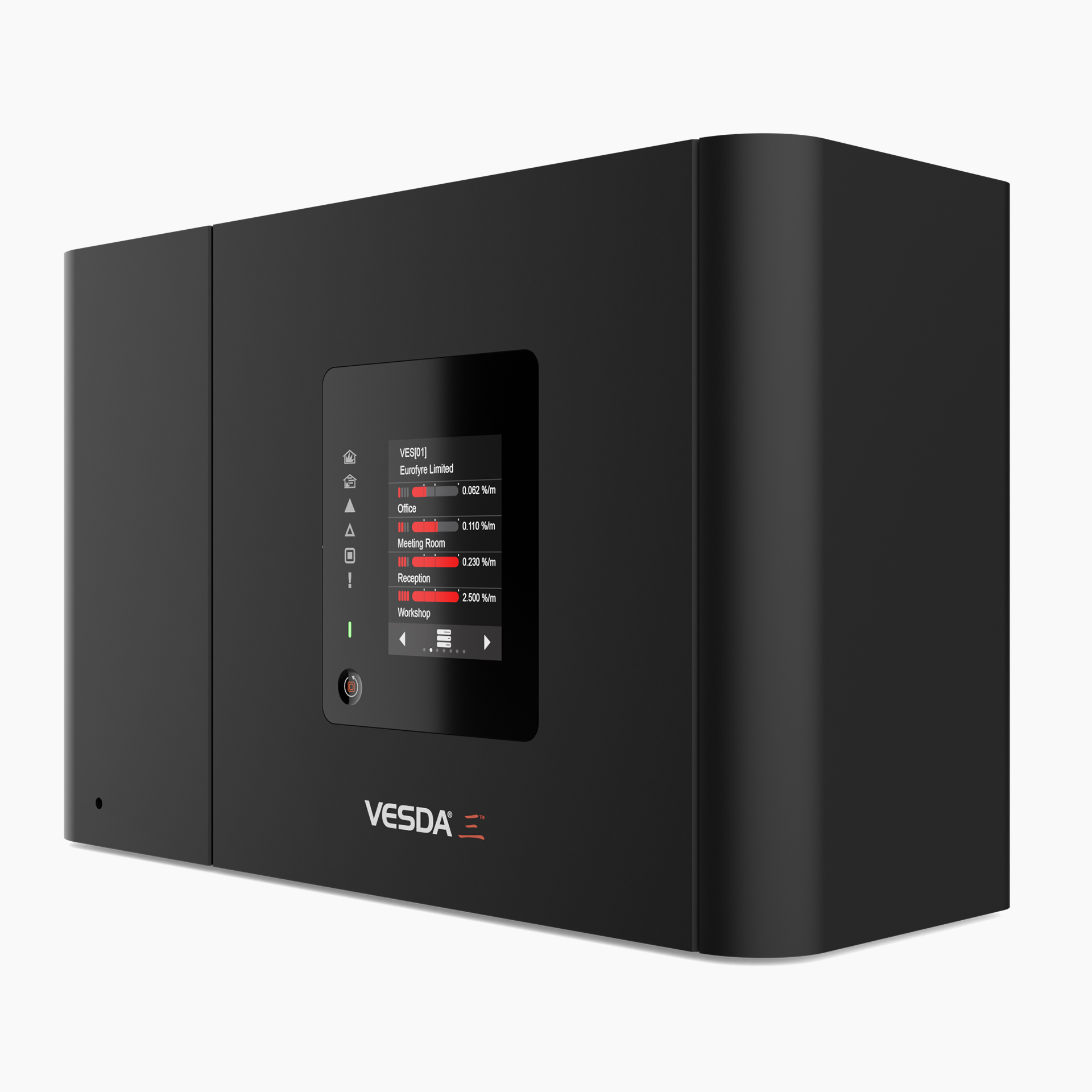
The VESDA-E VES Aspirating Smoke Detector provides very early warning fire detection with built-in relays for zoned control. It continuously samples air through a pipe network and uses laser-based sensing for precise smoke analysis. With four configurable alarm sectors, it offers fast, targeted protection for critical environments like data centres.
Power Supplies and Batteries
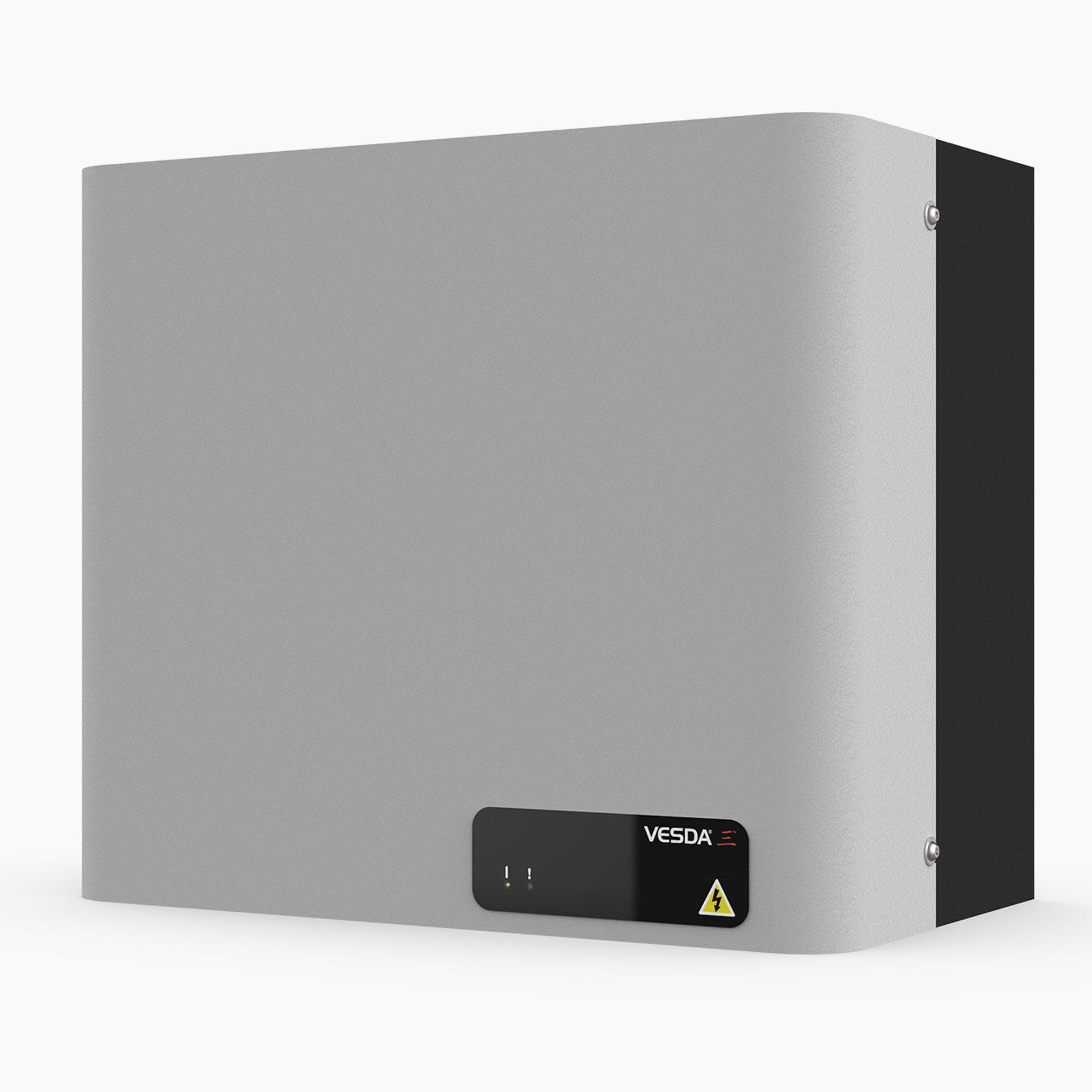
The Xtralis VPS-220-STX5 is an EN54-4 certified power supply specifically designed for VESDA-E detectors. It delivers a continuous 0.5A 24V DC supply and charges standby batteries up to 14Ah, providing a fully integrated and reliable power source for the entire system.
The Xtralis VPS-250-STX5 is a high-capacity power supply unit, fully certified to EN54-4 and engineered for larger or more demanding VESDA-E systems. It provides a robust, continuous 3A 24V DC output and features an integrated charger for standby batteries up to 24Ah, guaranteeing reliable primary power and extended standby autonomy.
Aspirating Pipe & Fittings
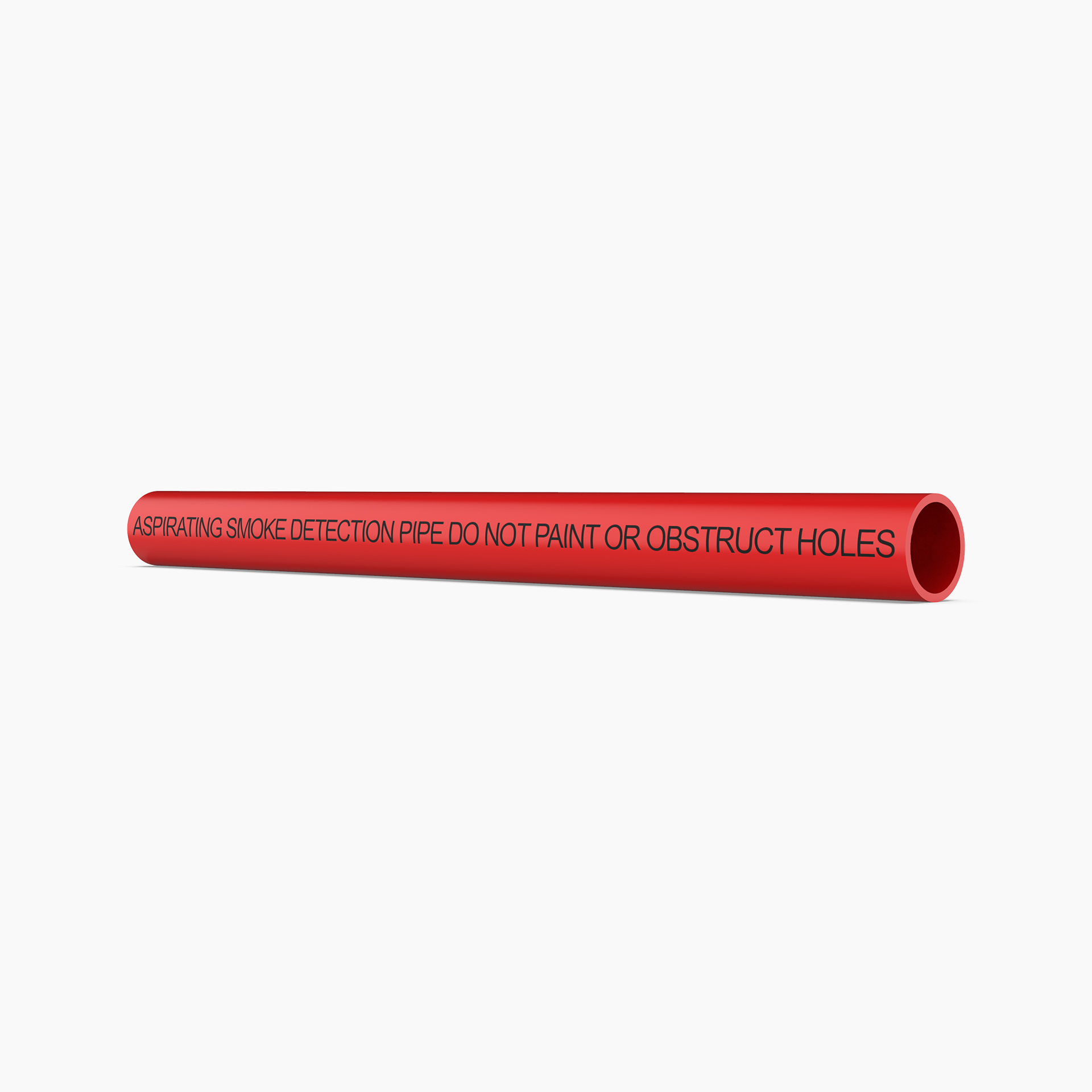
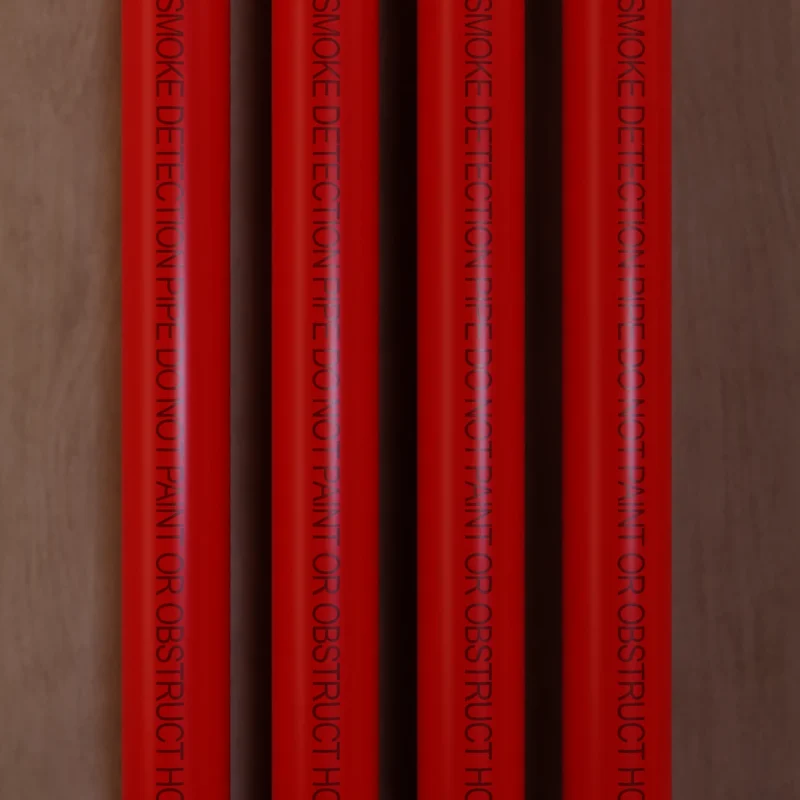
This 25mm red ABS pipe is purpose-built for use in aspirating smoke detection installations.
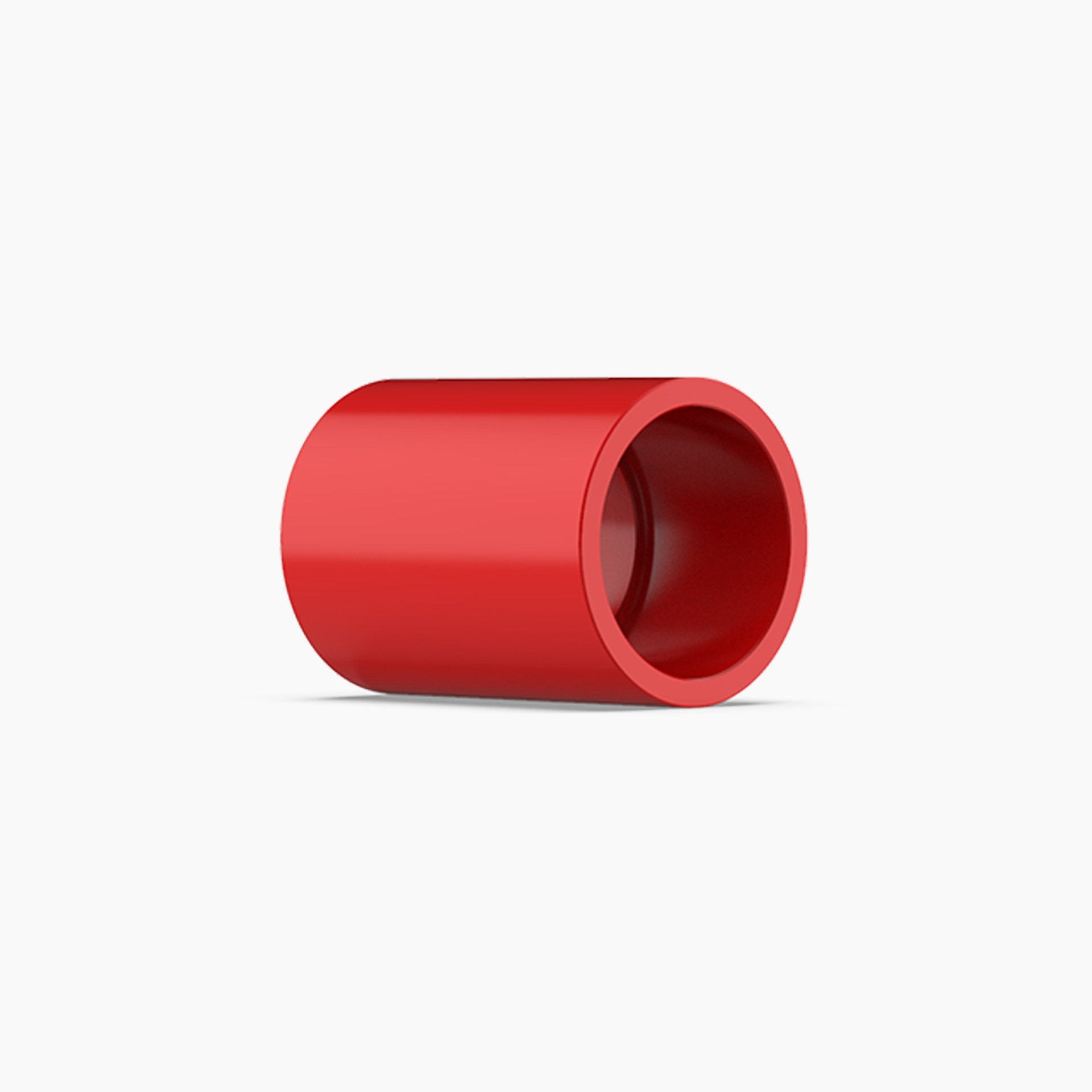
Use these sockets to connect two lengths of pipe, securing the join with an application of ABS solvent cement.
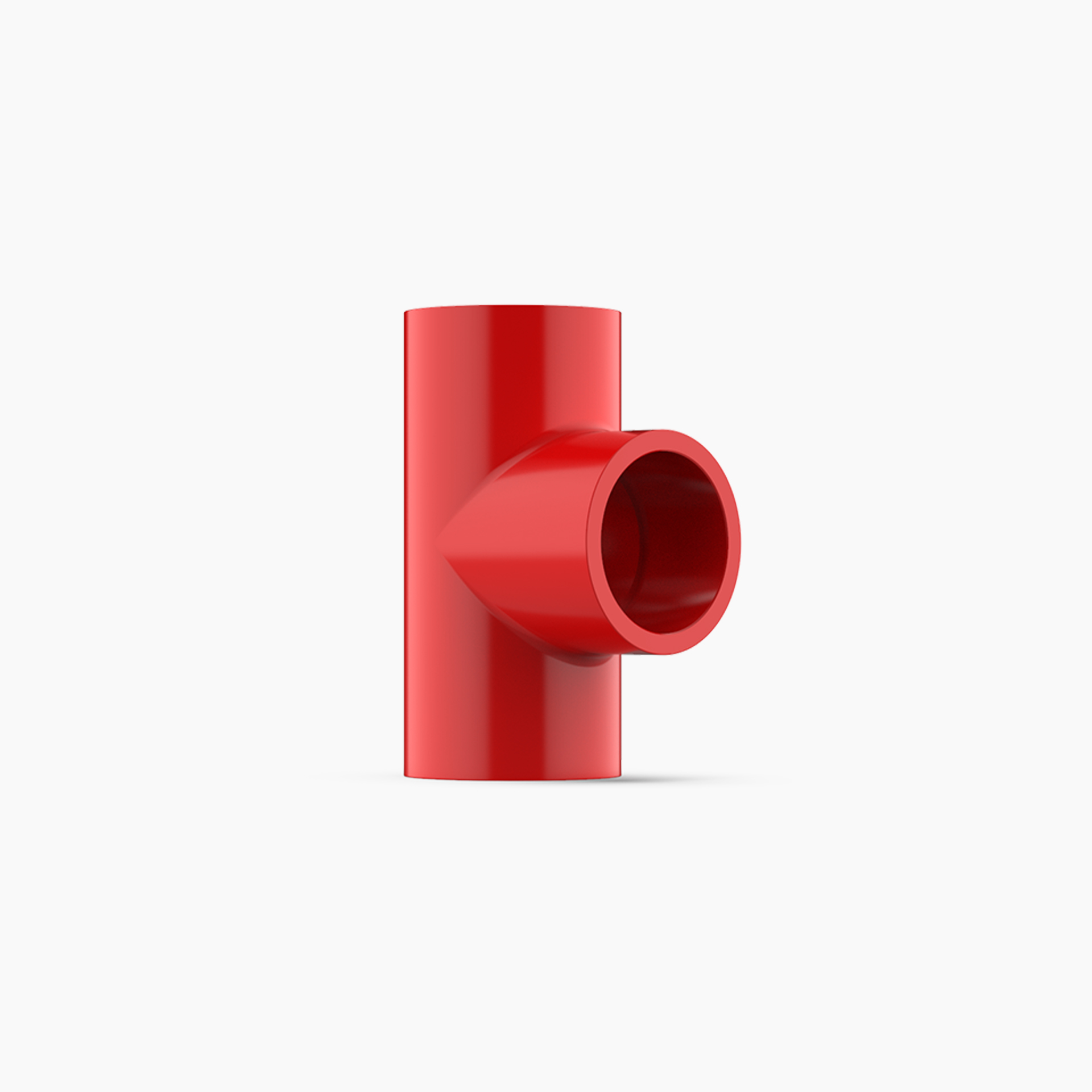
The 90° tee fitting is used to create a perpendicular branch from a main pipe run.
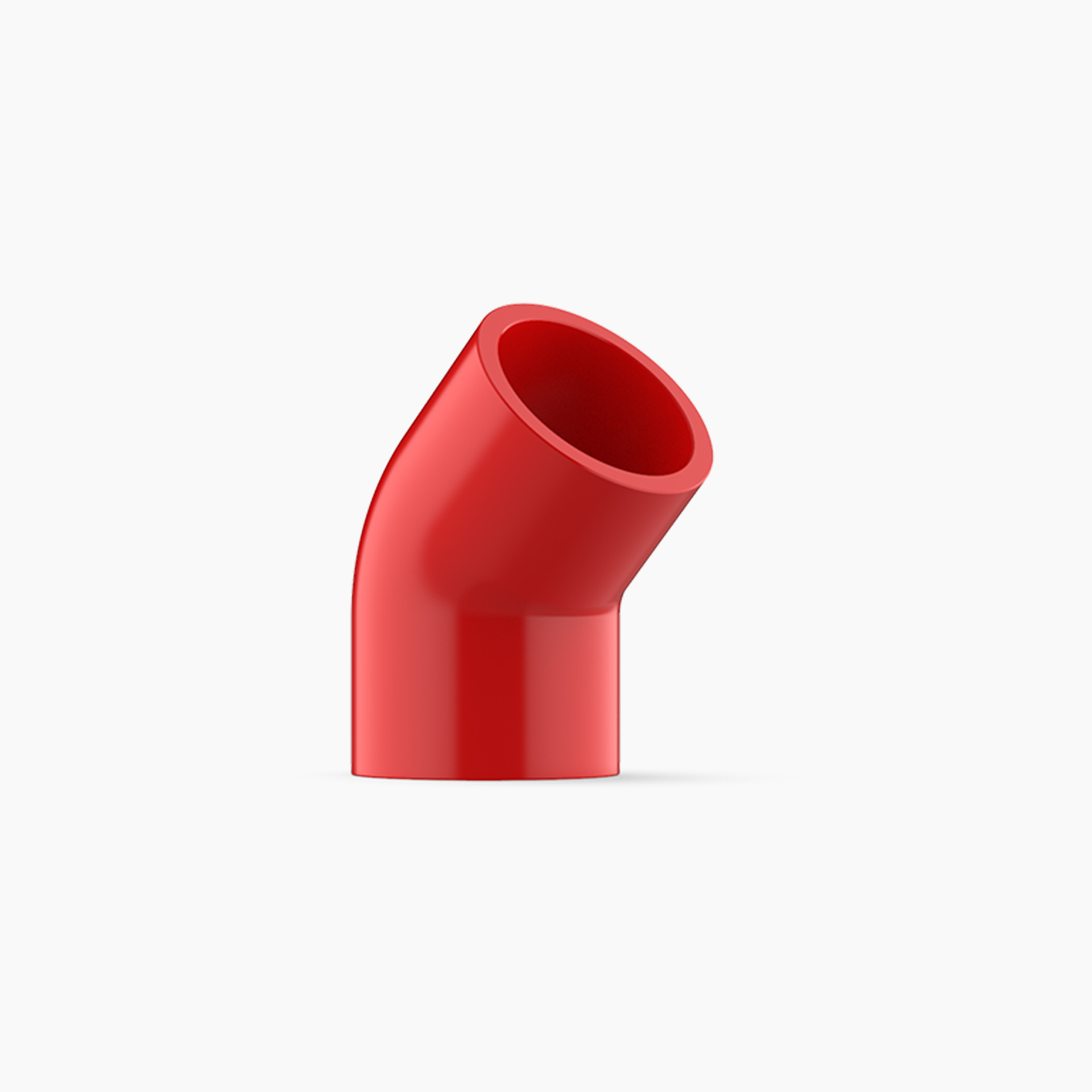
The 45° elbow fitting is used to create a gradual change in direction, enabling pipework to navigate around obstacles.
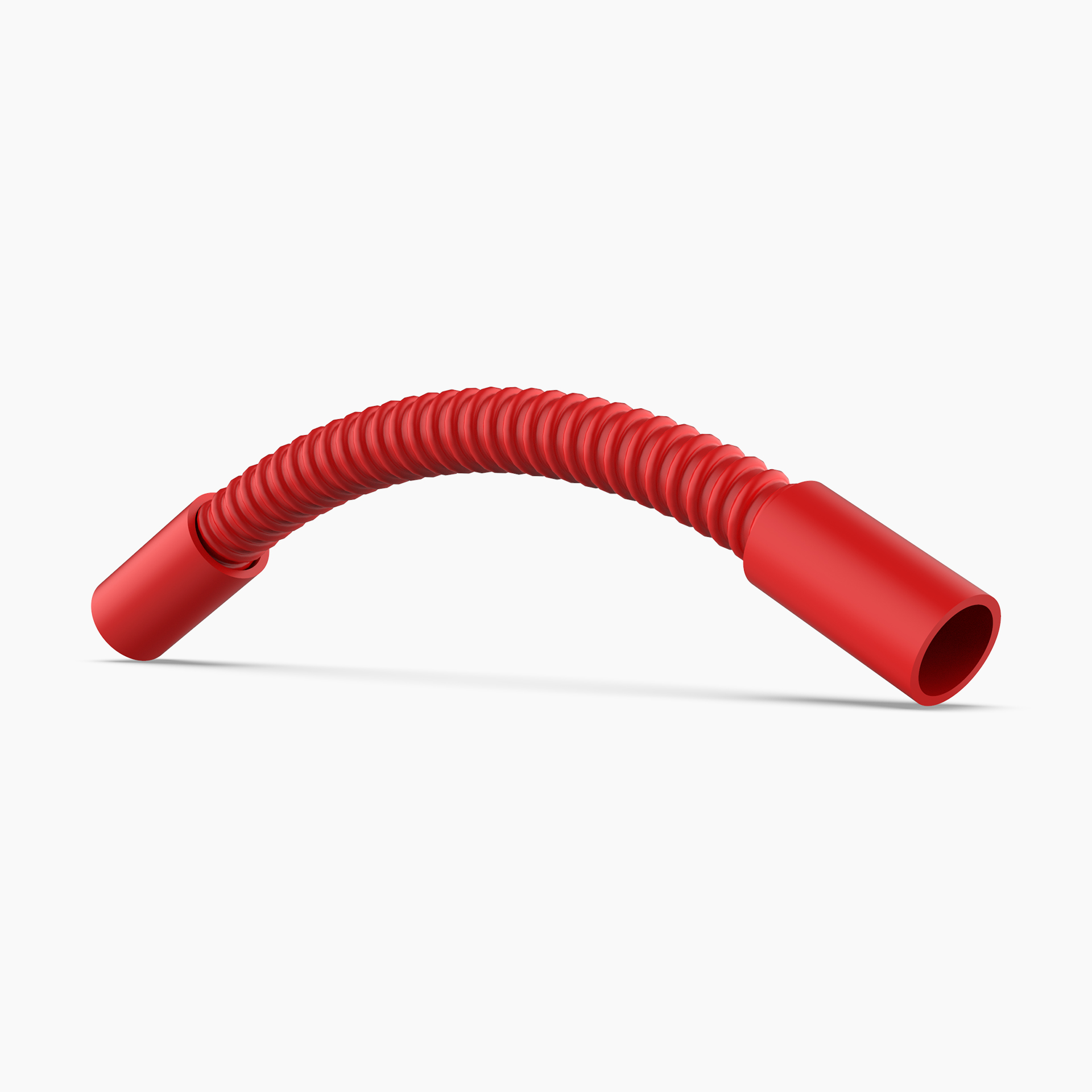
Flexible connectors are used in place of standard elbows for awkward angles or tight spaces. Strengthened with an internal steel wire for durability, they can be mounted in any direction without restricting airflow.
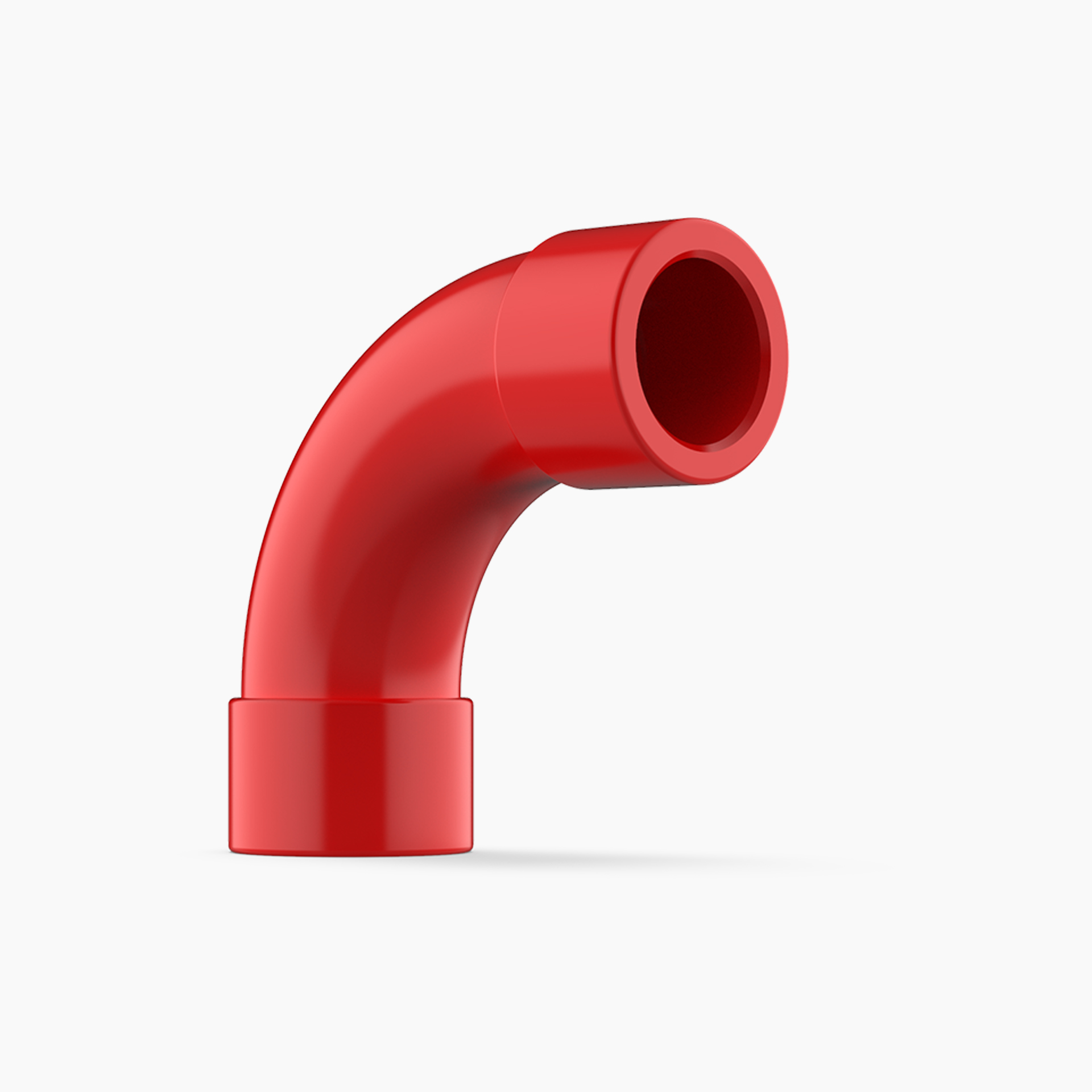
This 90° sweeping bend fitting alters the direction of a pipe run while preserving system integrity by minimising air loss.

This pipe clip securely holds air-sampling pipe with a quick-clamp action for simple installation, while optional fixing nuts and side rod connectors provide greater flexibility for more demanding mounting scenarios.
Sampling points and accessories
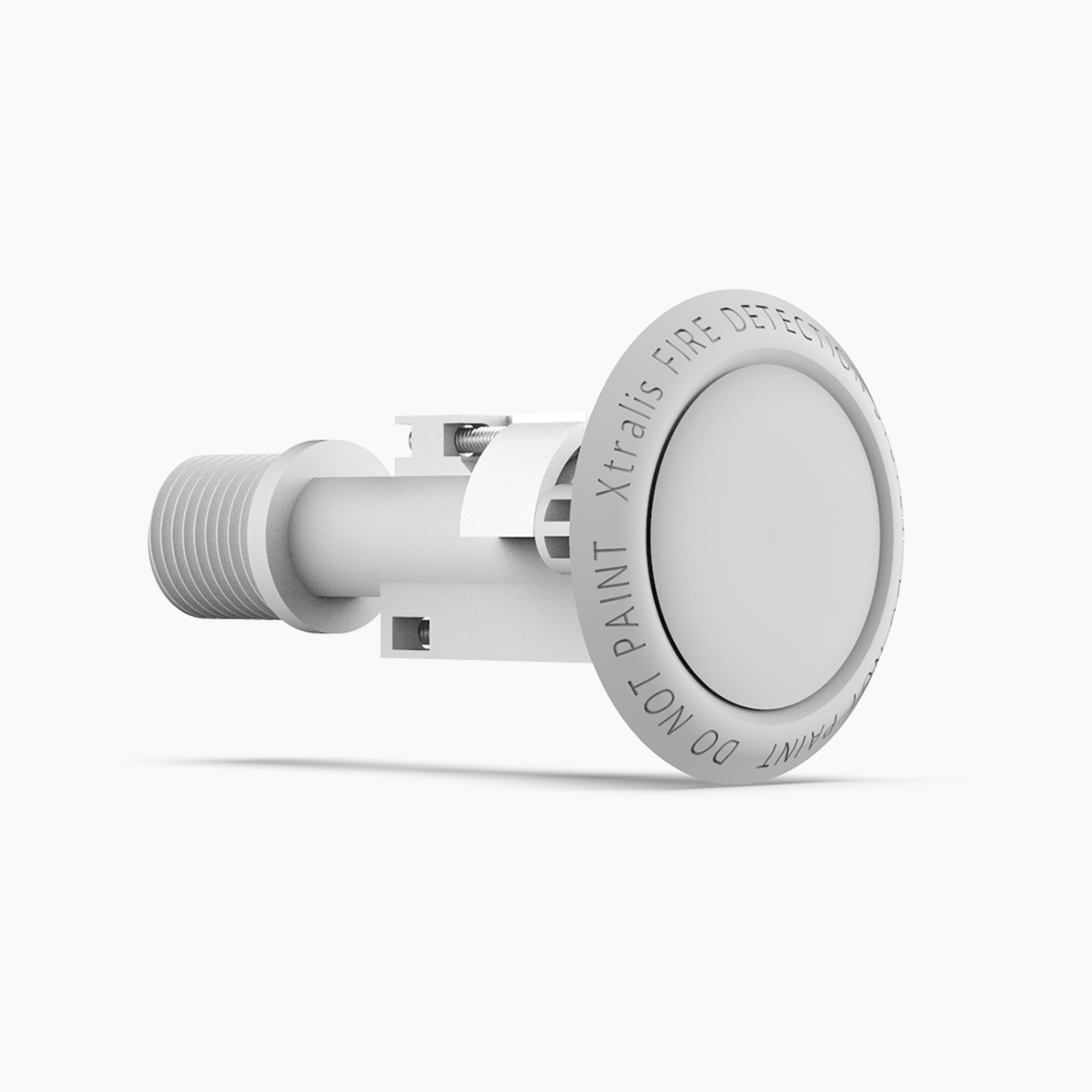
The Flush Mount Sampling Point is an advanced alternative to standard conical points for Xtralis ASD systems, offering significant improvements in both functionality and appearance.

This flush sampling point connects to a 10mm capillary pipe to provide a discreet finish. For versatile mounting, it can be fastened to a ceiling tile with the included nut or screwed directly into a solid ceiling.
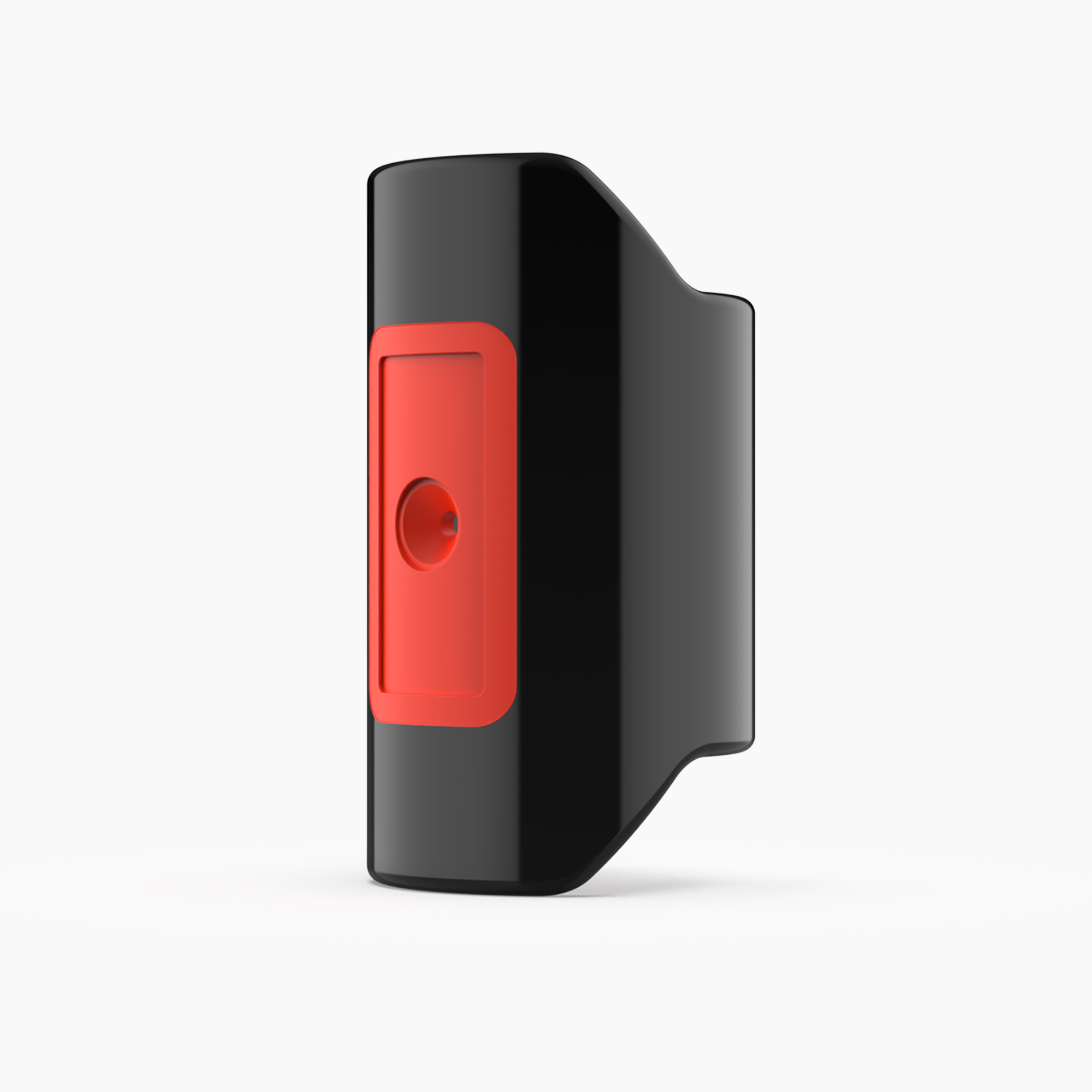
The Red 25mm Flush Capillary Kit is a pre-assembled kit for aspirating smoke detection, ideal for sampling smoke below suspended ceilings. It includes 2m of capillary pipe, a flush sampling point, and an adaptor.
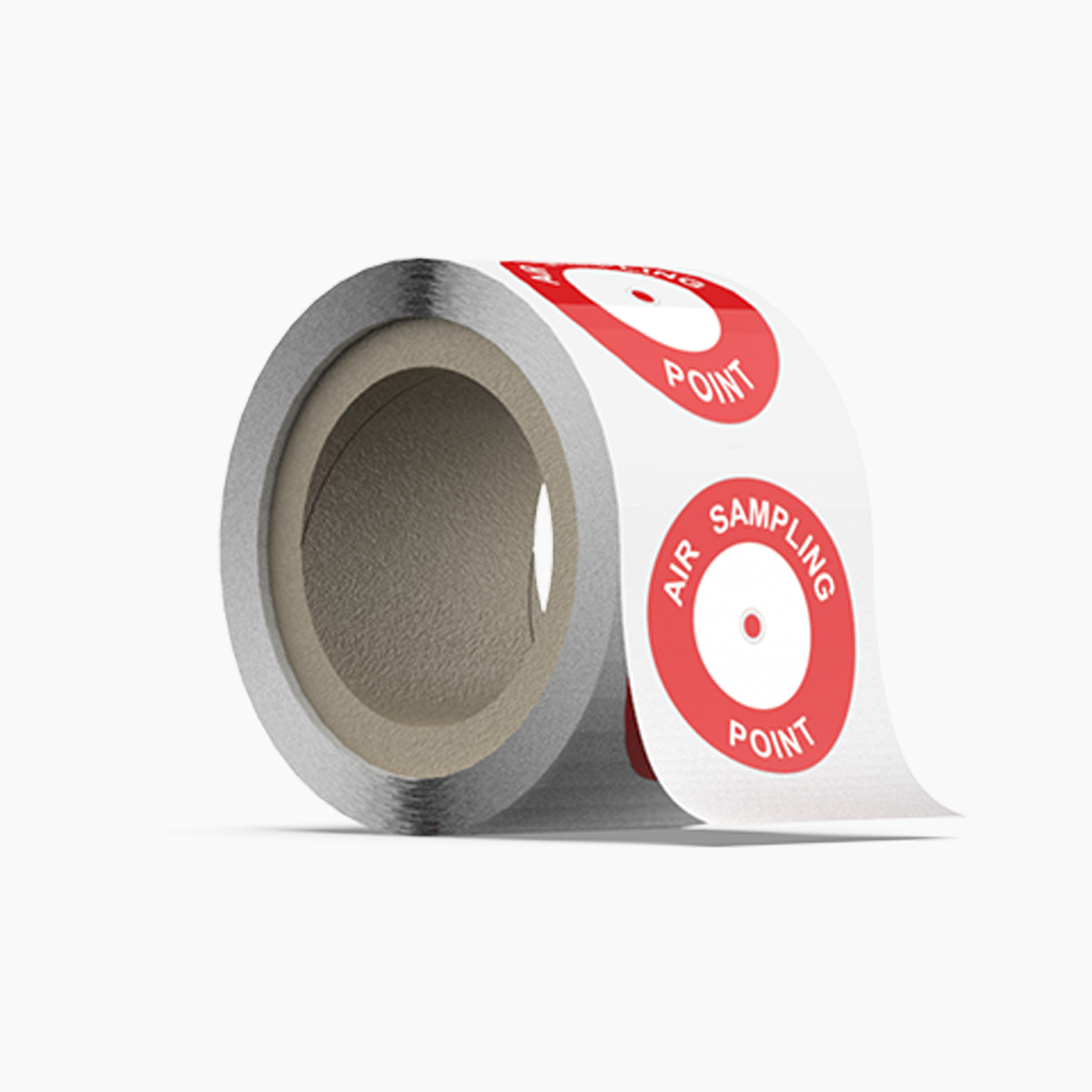
These self-adhesive, red air sampling labels are used to clearly mark and identify sampling points, and are supplied on convenient rolls of 100.
Why Choose Eurofyre?
- Honeywell Fire Platinum Partner
- As a Honeywell Fire Platinum Partner, Eurofyre is recognised for its capacity to deliver tailored solutions for specific regions and industries. This includes comprehensive implementation, advanced customer support, and preferential pricing for Honeywell products.
- Complete System Supplier
- Eurofyre is a complete system supplier with a long-standing partnership as a major Xtralis technical wholesaler, established in 2007. This long-standing expertise allows us to provide specialist advice and supply all aspects of fire detection, from aspirating smoke and linear heat systems to conventional and addressable control panels.
- Pipework Design
- Our services also include professional design support for aspirating pipe networks, helping clients achieve maximum system performance and a quality installation.
- Demonstration and Training
- Eurofyre delivers expert training and system demonstrations from our sophisticated facility, covering a wide range of products including VESDA VEP, VLF, amongst other aspirating smoke detection systems.
- After-Sales Support
- At Eurofyre, we are dedicated to delivering superior after-sales support. You can rely on our on-site and telephone assistance to keep your system fully functional and performing flawlessly.
For more information on VESDA aspirating smoke detection or to explore our full range of products, please contact us by phone on +44 (0) 1329 835 024, by email at sales@eurofyre.co.uk, or via the enquiry form on our contact page.
Don’t forget to follow us on LinkedIn, Bluesky and Instagram or sign up to our newsletter (in the footer below) to receive all the latest information from Eurofyre.