As solar PV infrastructure continues to grow across the UK, managing the fire risks associated with DC (Direct Current) cabling and thermal “heat traps” is essential for securing high-value assets. Adopting proactive heat detection ensures hazards are identified early, protecting the long-term safety and viability of renewable energy investments.
Government-backed Research and Data
The February 2026 government-commissioned research and insurer insights highlight a dangerous “heat trap” effect beneath PV panels, where thermal flux can reach $50kW/m2 and accelerate flame spread by up to 38 times.
These findings expose critical gaps in standard safety tests, proving that early, point-of-source detection is the most effective way to prevent ignition within these cavities.
Despite a recent decrease in national fire statistics following improved industry safety measures, proactive detection remains essential. By monitoring DC cabling directly, specialised systems address the vulnerabilities identified in these studies, ensuring commercial solar assets remain secure and compliant.
Risks
- Electrical Ignition
- Faulty components, physical damage, or long-term degradation can lead to short circuits and persistent DC arcing.
- Thermal Overheating
- The accumulation of dust, debris, or vegetation creates “hot spots” where panels reach unsafe temperatures during peak sunlight.
- Combustible Substrates
- Flammable roofing materials or insulation can act as fuel, significantly increasing the intensity and spread of a fire.
- Substandard Installation
- Incorrect wiring or insufficient clearance between panels and the roof surface limits vital airflow and encourages heat build-up.
- Battery Storage Hazards
- Integrated energy storage introduces additional risks, including thermal runaway, chemical leaks, and management system failures.
Challenges
- Access Limitations
- The vast scale of commercial and industrial rooftops makes routine manual inspections and maintenance logistically difficult.
- Physical Obstructions
- Array frames and dense cabling can block the line-of-sight required for traditional smoke or point heat sensors to function.
- Environmental Stress
- Constant exposure to UV radiation, thermal cycling, and humidity can reduce the sensitivity and reliability of standard detectors.
- Complex Integration
- Retrofitting fire safety into existing building management systems (BMS) or HVAC setups requires careful technical coordination.
- Maintenance Logistics
- Regularly testing equipment in high-reach or hazardous locations necessitates specialist expertise and safety equipment.
Addressing these hurdles requires a specialised approach. Linear Heat Detection (LHD) provides a robust alternative; these systems are impervious to environmental interference, can be configured for irregular layouts, and ensure comprehensive monitoring across the most obstructed areas.
FyreLine Digital

FyreLine Digital is a fixed-temperature linear heat detection system that provides continuous, point-of-source monitoring across the entire solar array.
Its heat-sensitive cable is installed in direct contact with DC cabling to identify temperature spikes at the exact point of failure, offering a robust and cost-effective solution that thrives in the harsh environmental conditions of commercial rooftops.
Approvals


Design Considerations
Controller Placement

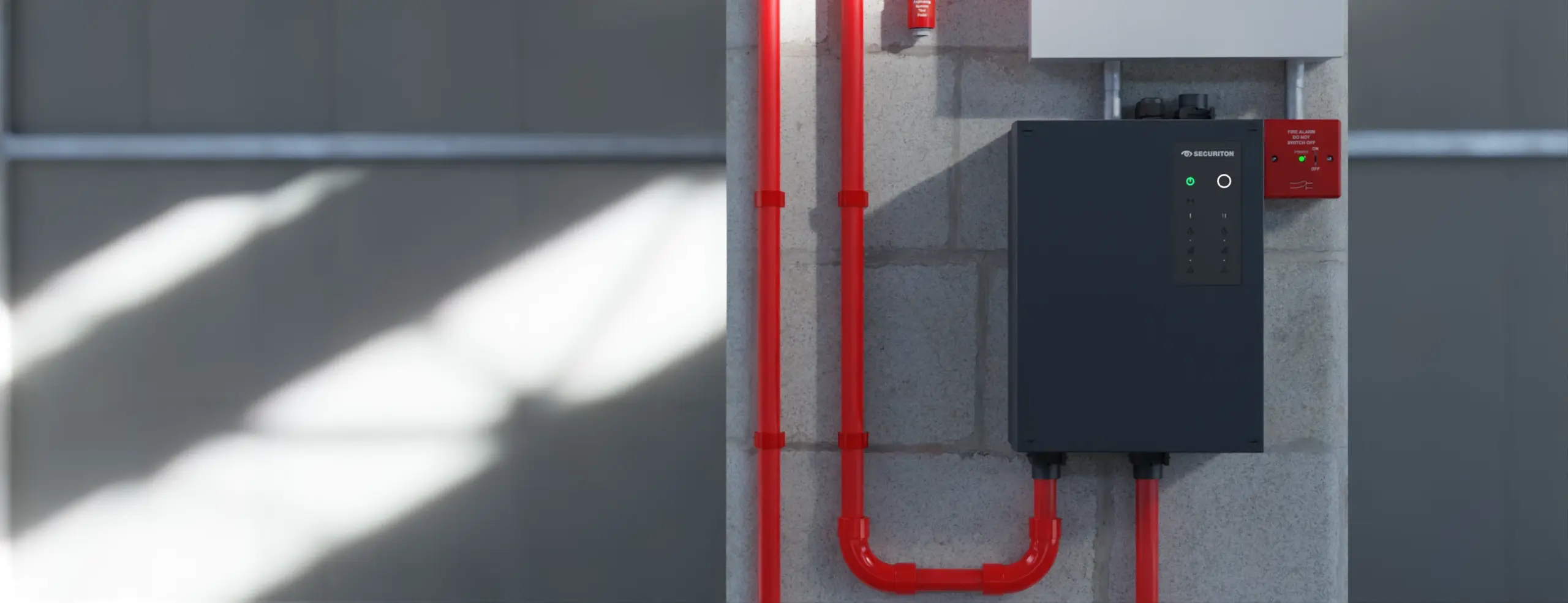
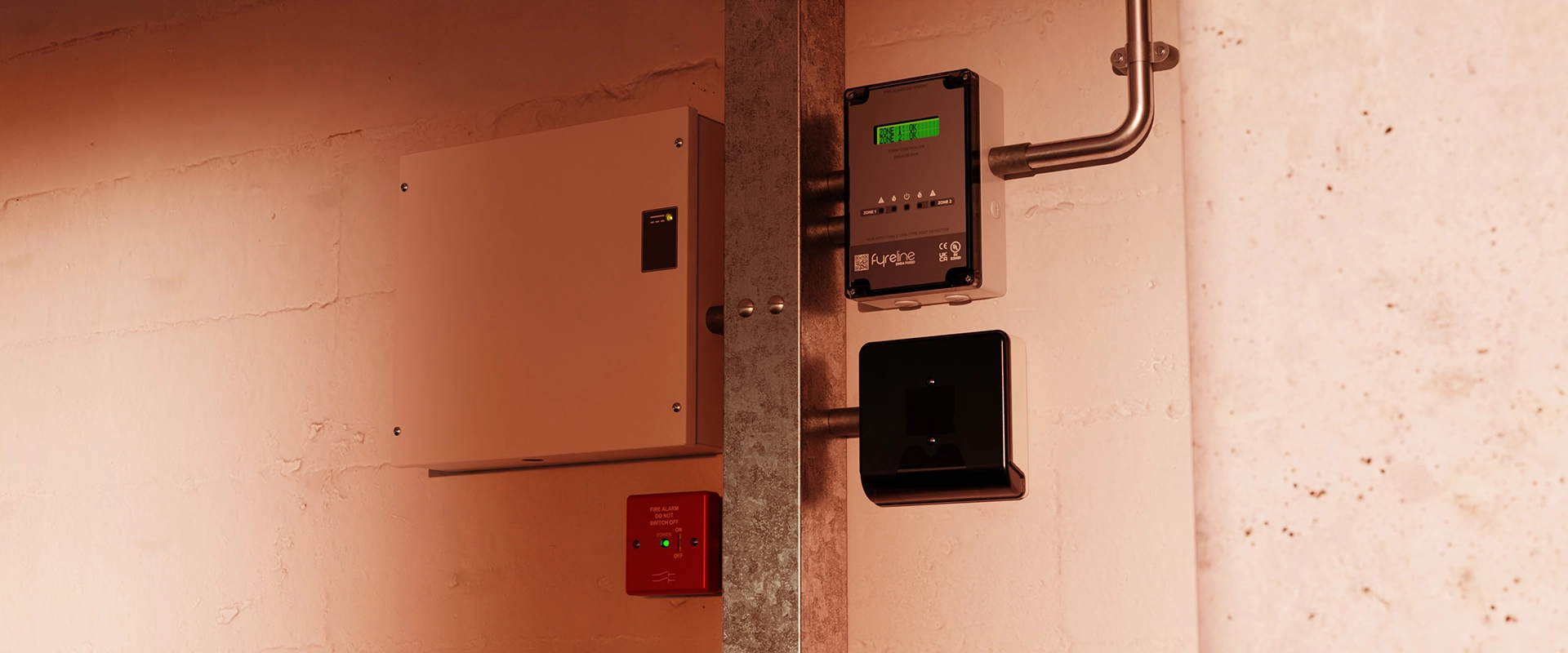
The controller should be installed in a readily accessible location for routine maintenance and testing, ideally within an IP-rated enclosure to ensure it is protected from the elements while remaining as close as possible to the protected solar PV zone.
LHD Cable Placement
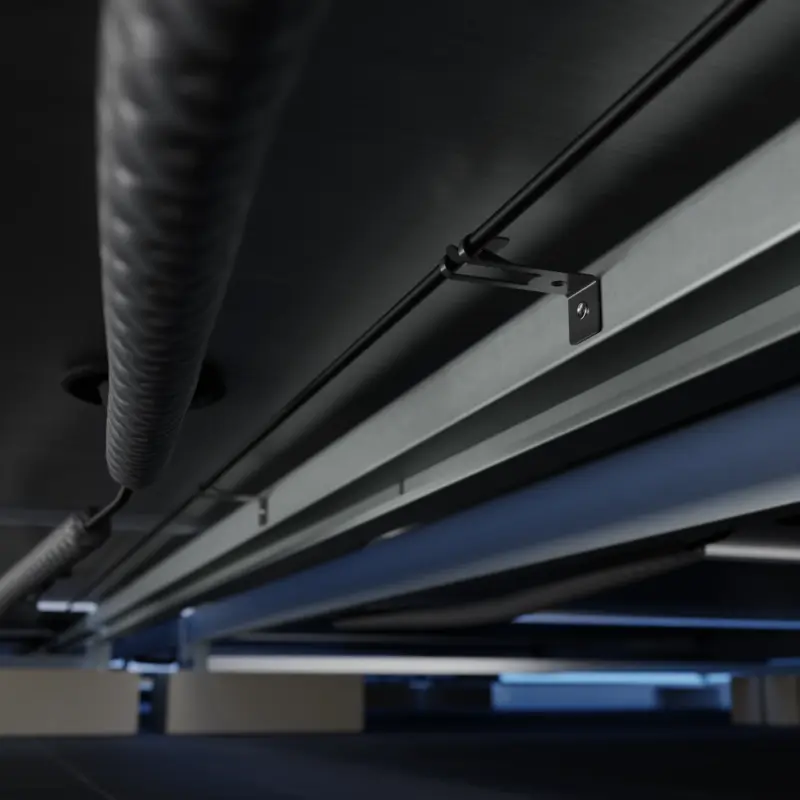
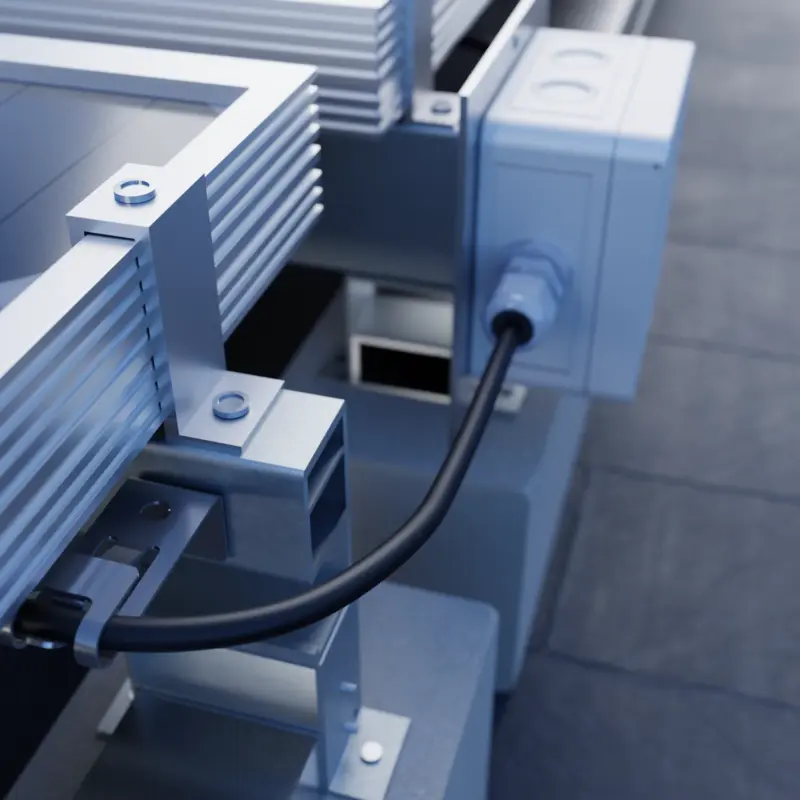
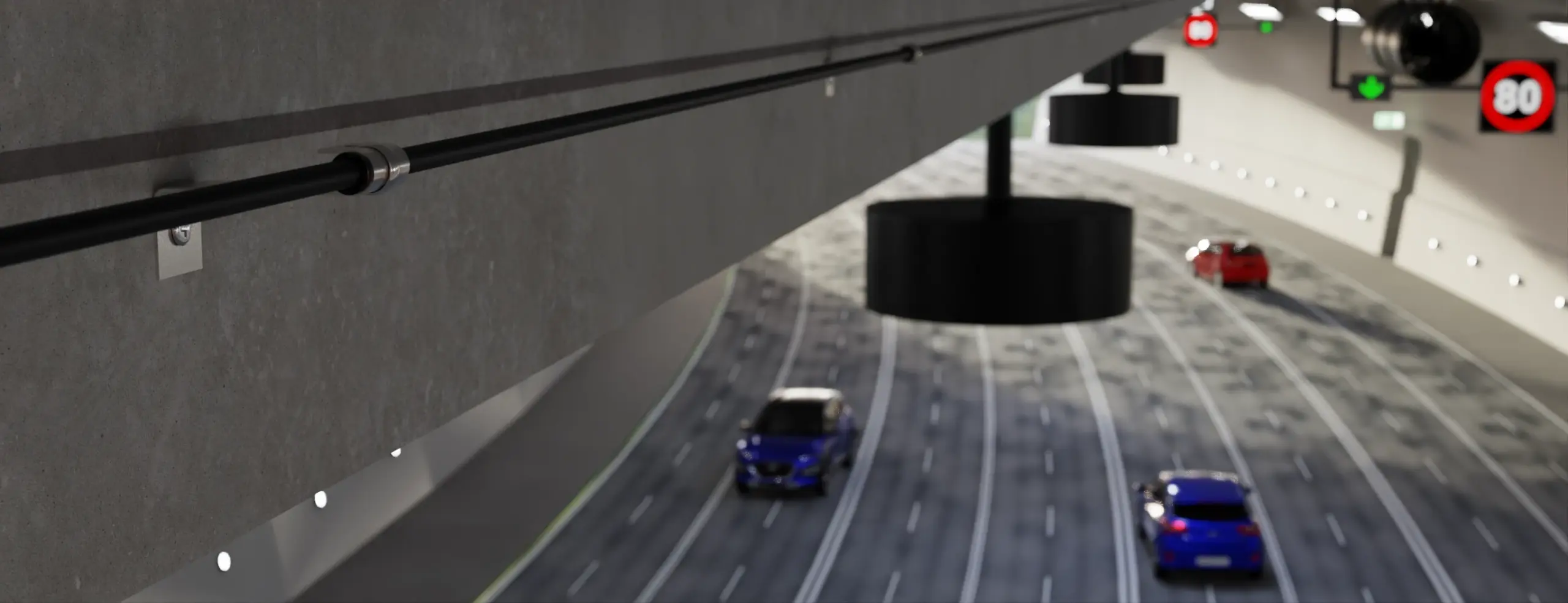
LHD cables should be routed in direct contact with DC wiring or positioned strategically beneath panel surfaces to ensure immediate detection in the high-risk “heat trap” zones where arc faults are most likely to occur.
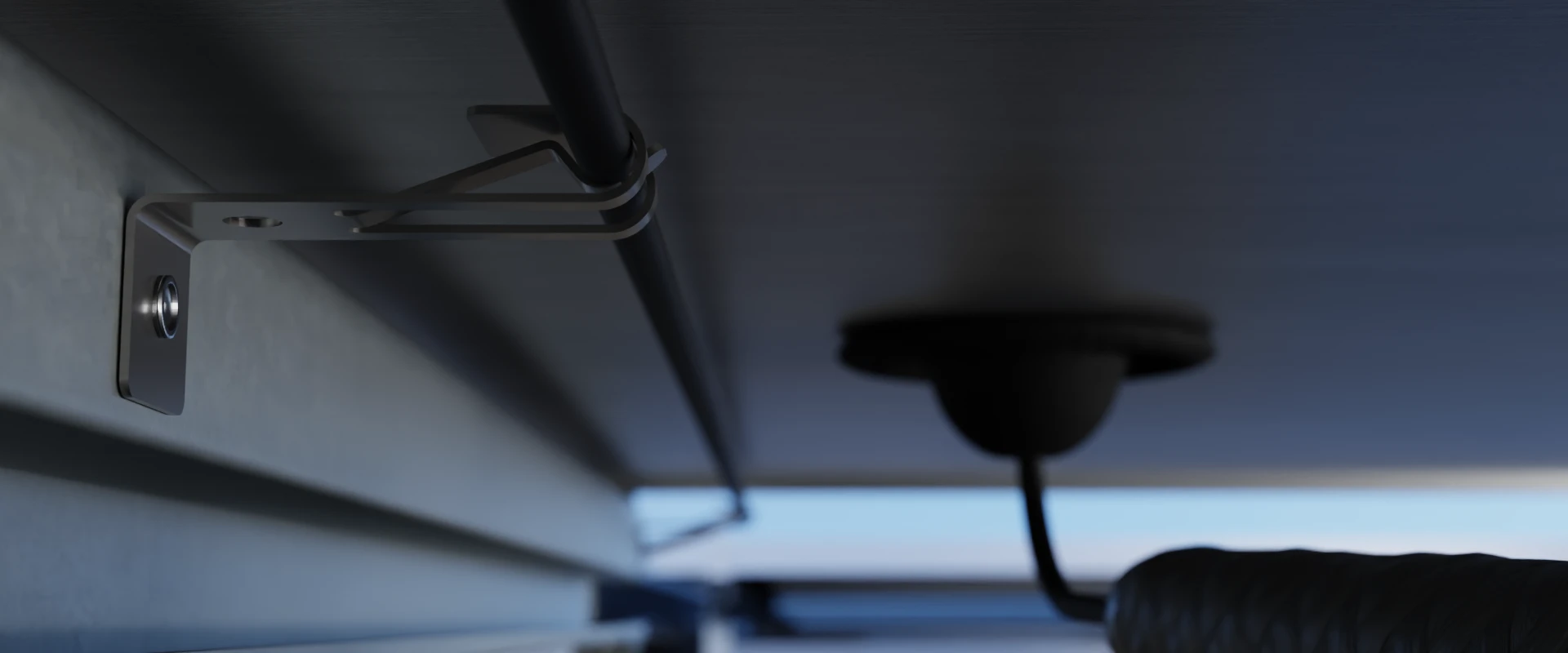
Mounting Clips


FyreLine P-clips provide secure, protective mounting for LHD cables along solar frameworks, ensuring they remain in the optimal position to detect heat without suffering mechanical damage.
FyreLine J-clips are knock-on mounting fixings designed to quickly and securely support LHD cables on the edges of cable trays or steel frameworks, featuring a protective sleeve to prevent mechanical wear and thermal transfer.
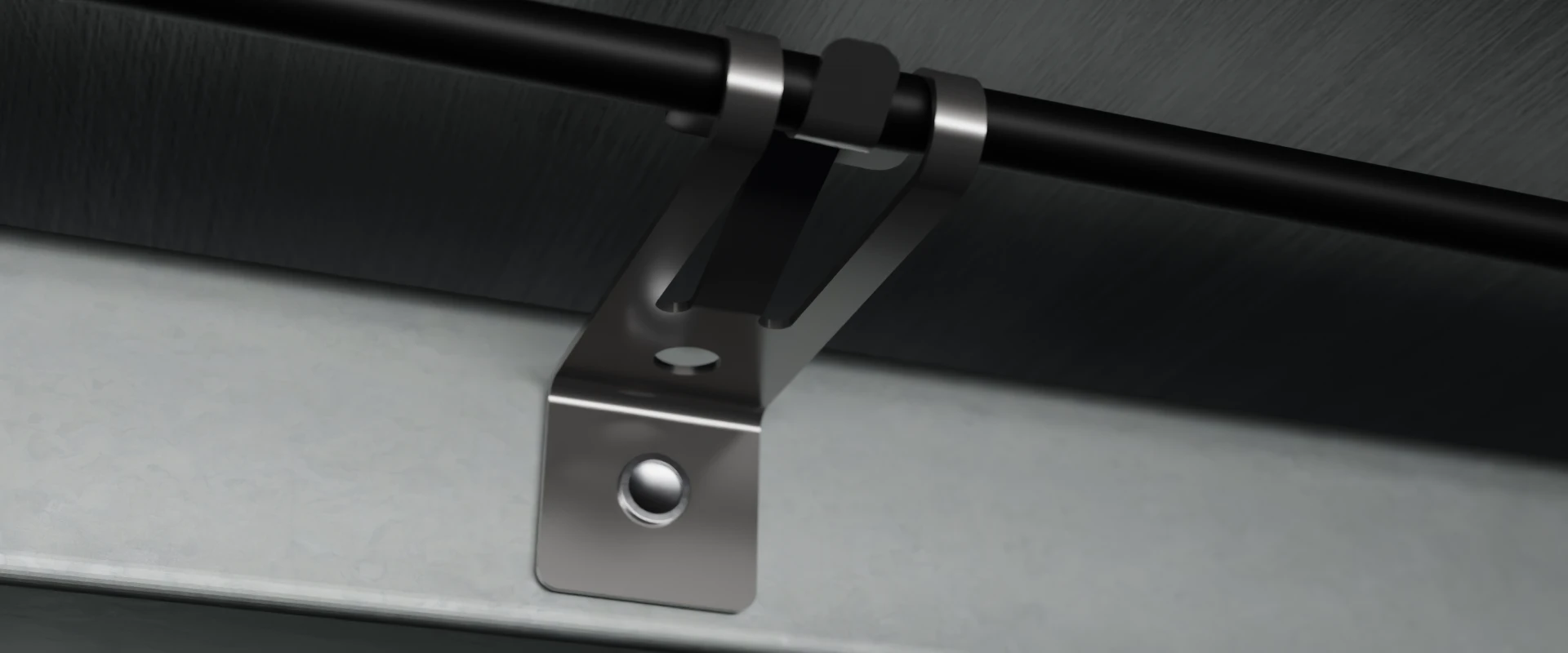
The FyreLine J-lock clip offers a secure, locking mounting solution for LHD cables on cable tray edges or steel frameworks, ensuring they remain firmly in position even in demanding solar environments.
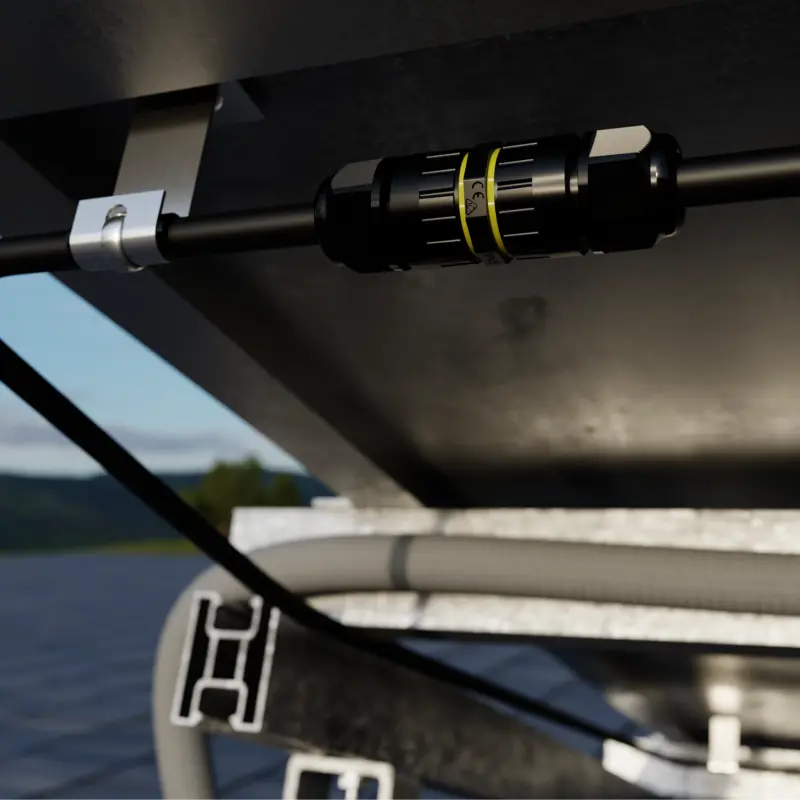
The IP68-rated FyreLine In-Line LHD Cable Connector enables quick, waterproof splicing and repairs in the confined spaces beneath solar arrays without the need for bulky junction boxes.
EOL Placement
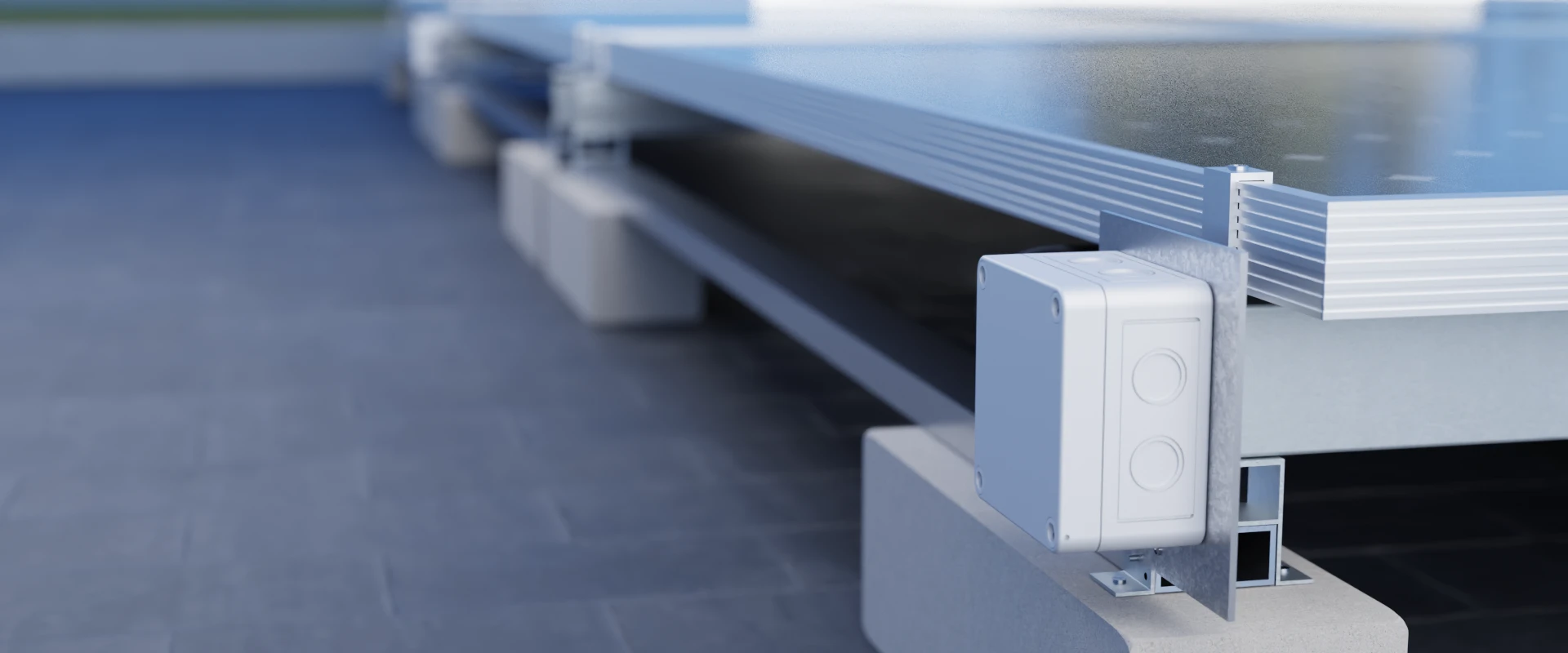
The End-of-Line (EOL) module should be installed at the final point of the detection run within a weatherproof enclosure to ensure the entire cable length is continuously monitored for faults.
Wiring Diagram
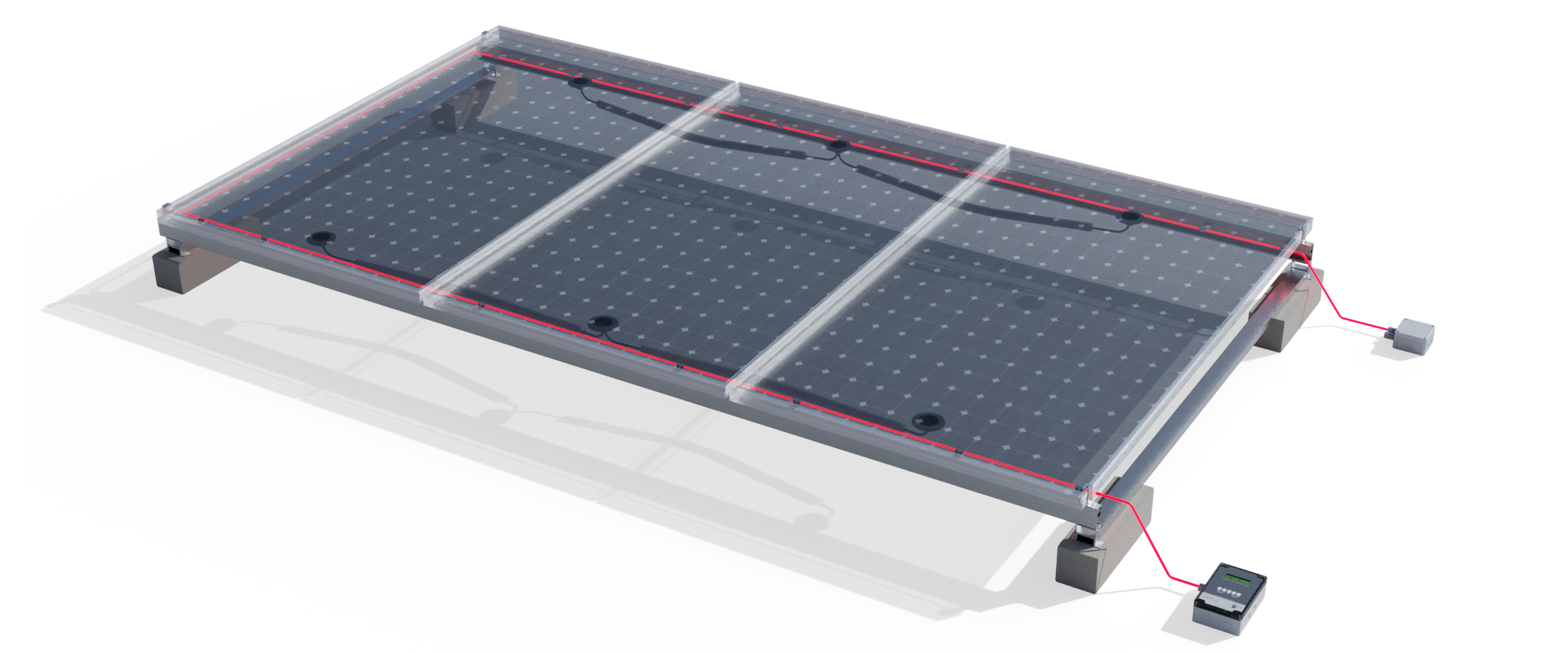
The wiring follows a simple supervised loop, originating at the control module and routing the LHD cable continuously through the panels before terminating at an End-of-Line (EOL) unit to ensure constant monitoring of the circuit’s integrity.
Why Choose Eurofyre?
- Complete System Supplier
- We provide end-to-end fire detection packages, including FyreLine linear heat detection and all necessary accessories, backed by expert technical consultation.
- Demonstration and Training
- Gain hands-on experience and professional insight at our state-of-the-art training facility, where we offer in-depth sessions across our entire product range.
- After-Sales Support
- Our commitment continues long after installation. We provide industry-leading support via telephone and on-site visits to ensure your system remains fully functional and operates at peak efficiency.
For more information about FyreLine Linear Heat Detection, or to discuss any of the other products that Eurofyre has to offer, please feel free to get in touch either by phone on +44 (0) 1329 835 024, by email to sales@eurofyre.co.uk or via the online enquiry form situated on our contact page.
Don’t forget you can follow us on LinkedIn, Instagram or sign up to our newsletter (in the footer below) to receive all the latest information from Eurofyre.